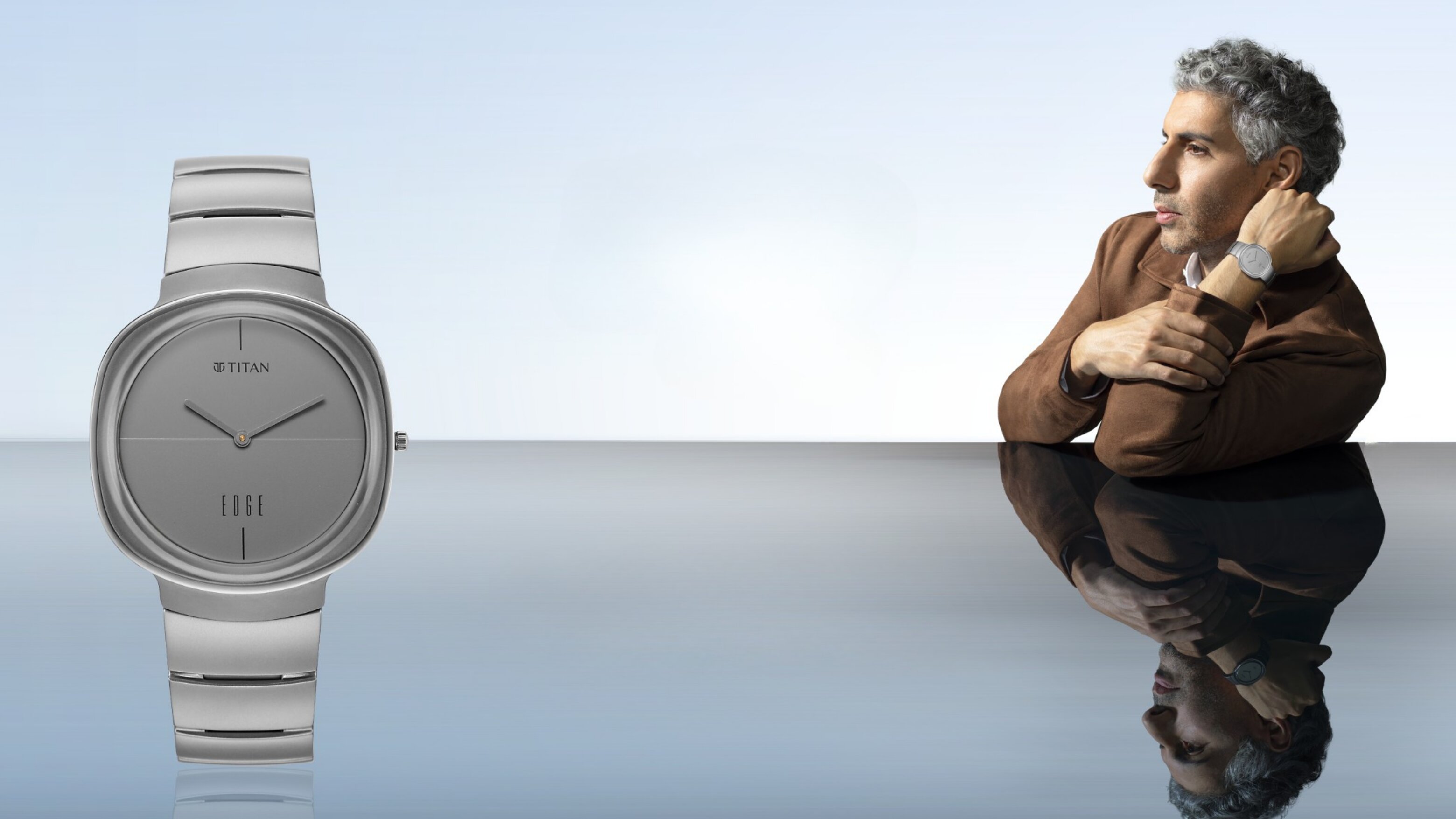
GPHG in Mumbai: An Exhibition of Timelessness and Virtuosity


From September 28 to October 1, Mumbai will host the Grand Prix d'Horlogerie de Genève (GPHG) Exhibition 2026 at The St. Regis, giving India's collectors and connoisseurs a rare, unhurried audience with this year's nominated timepieces before their fate is decided in Geneva this November.
Known widely as the ‘Oscar of Watchmaking’, the GPHG does not merely reward well made objects. It stages an annual referendum on where mechanical horology is heading, and this year's shortlist reads like a quiet redistribution of power. The 84 nominated timepieces compete for 19 prizes across categories spanning the restraint of Time Only, the ambition of Mechanical Exception, and the spectacle of Tourbillon, Chronograph, Calendar and Astronomy, Artistic Crafts, Jewellery and Sports. Notably absent are several of the field's most decorated names, among them Patek Philippe, Cartier, Vacheron Constantin, F.P. Journe, Richard Mille and Breguet, last year's Aiguille d'Or winner, a vacancy that has opened the floor to houses and independents with something to prove.
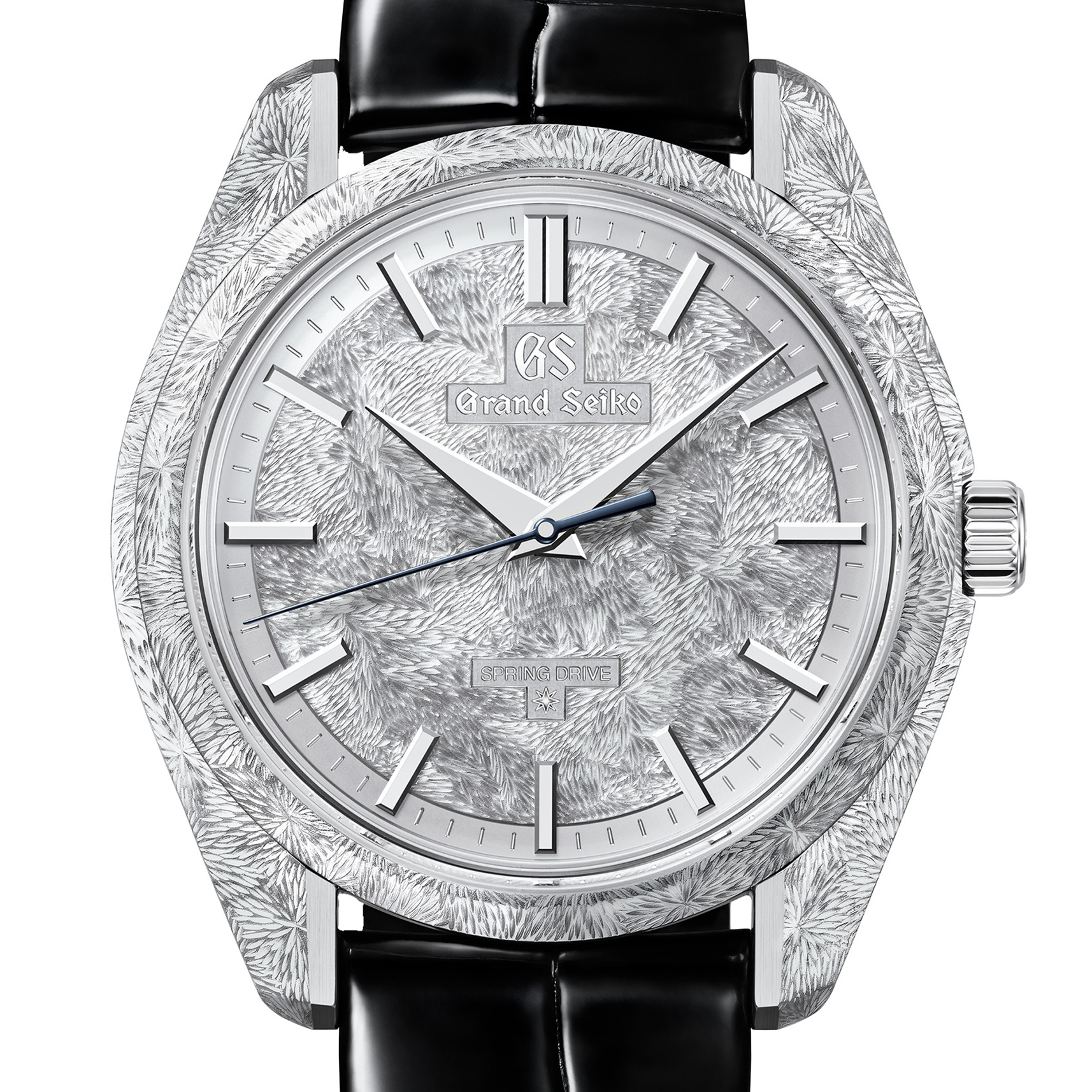
Within the Tourbillon field alone, the contenders read like a study in contrasts. The category spans everything from traditional chronometric watchmaking to highly contemporary independent creations, with platinum cases, constant-force mechanisms, world-time displays and architectural bridges among the ideas on display, whether in the Louis Vuitton Escale Worldtime Flying Tourbillon, the Ferdinand Berthoud Chronomètre FB 2TV or the Girard-Perregaux Laureato Fifty Three Gold Bridge, each pursuing a different definition of mechanical theatre. The Sports category proves no less inventive. Judges are weighing a deep dive watch from Grand Seiko, a skeletonised piece from Hermès and a perpetual calendar from IWC that glows quietly in the dark, a shortlist that argues fine sports watchmaking has long outgrown the steel bracelet and dive bezel formula it once lived by.
Chopard, meanwhile, arrives as one of the most represented maisons of the edition, with six creations spread across categories from Jewellery to Mechanical Exception, where its L.U.C Grand Strike combines a grande sonnerie, petite sonnerie and minute repeater built around proprietary sapphire crystal gongs, a chiming complication that stands among the most technically demanding a watchmaker can attempt. The Mumbai edition gathers more than 50 such maisons under one roof, including Audemars Piguet, Bvlgari, Favre Leuba, Piaget, H. Moser & Cie., Parmigiani Fleurier, TAG Heuer, Ulysse Nardin and Jacob & Co. On September 30 and October 1, the exhibition opens to the public, with guided tours and watchmaking classes available through registration, an unusual concession by an event more accustomed to private viewings.
The convening table for the final verdict
Behind the display cases rests the convened group to pass the final verdict. Wei Koh has taken up the newly created role of Jury Chair, alongside other notable personnel, such as the co-founder of Dubai Watch Club, Adel Al-Rahmani and watchmaker Remy Cools, presiding over a panel trimmed from 30 members to 24 for sharper deliberation. The jury will meet privately in Geneva to examine every nominated piece before results are announced at the 26th GPHG Awards Ceremony on November 7, at the Bâtiment des Forces Motrices.
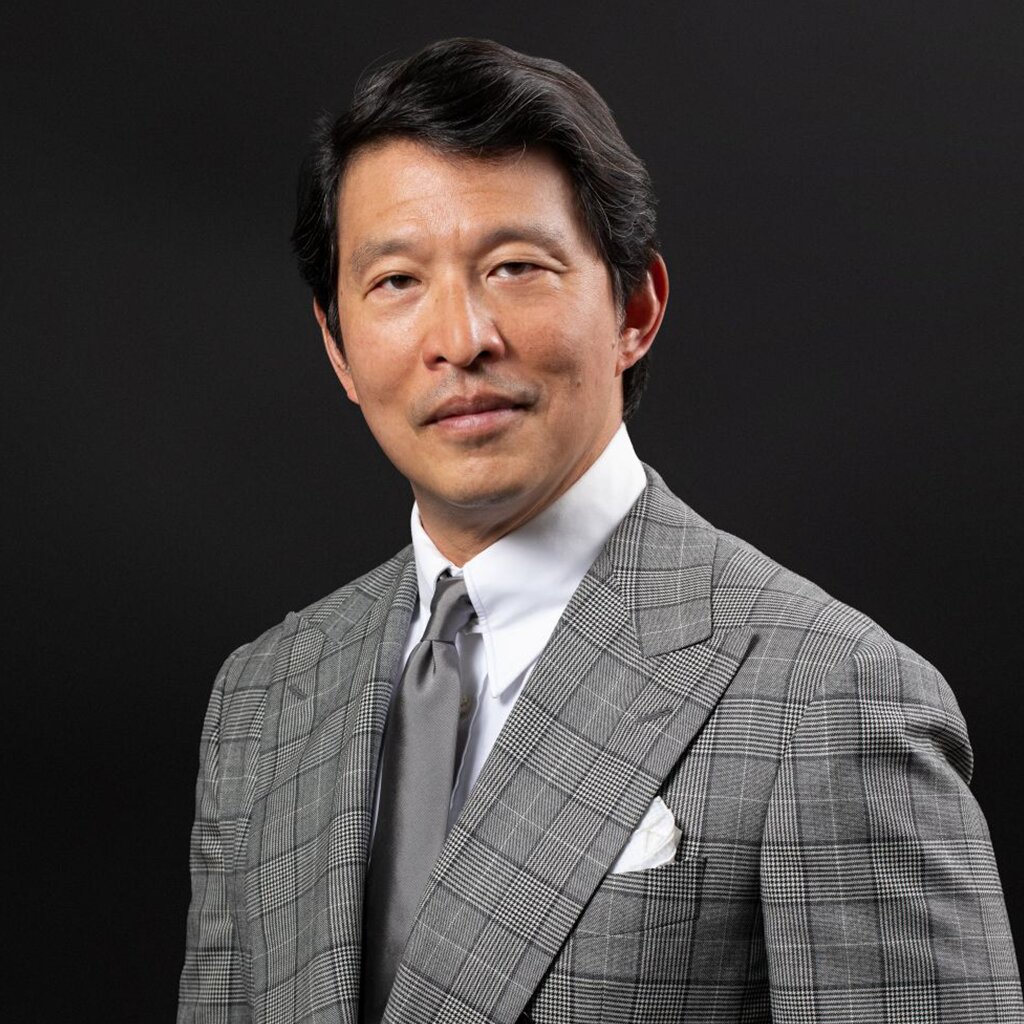
What arrives in Mumbai, then, is not simply a display of fine mechanisms but a preview of the arguments watchmaking will be having with itself this winter, over what counts as mastery and who gets to define it. The exhibition and the jury seat that accompanies it belong to Ethos Limited, India's leading luxury watch retailer, whose Managing Director and CEO, Pranav Shankar Saboo, joins this year's panel, a tangible marker of India's expanding weight within global watchmaking.
Image Credits - GPHG