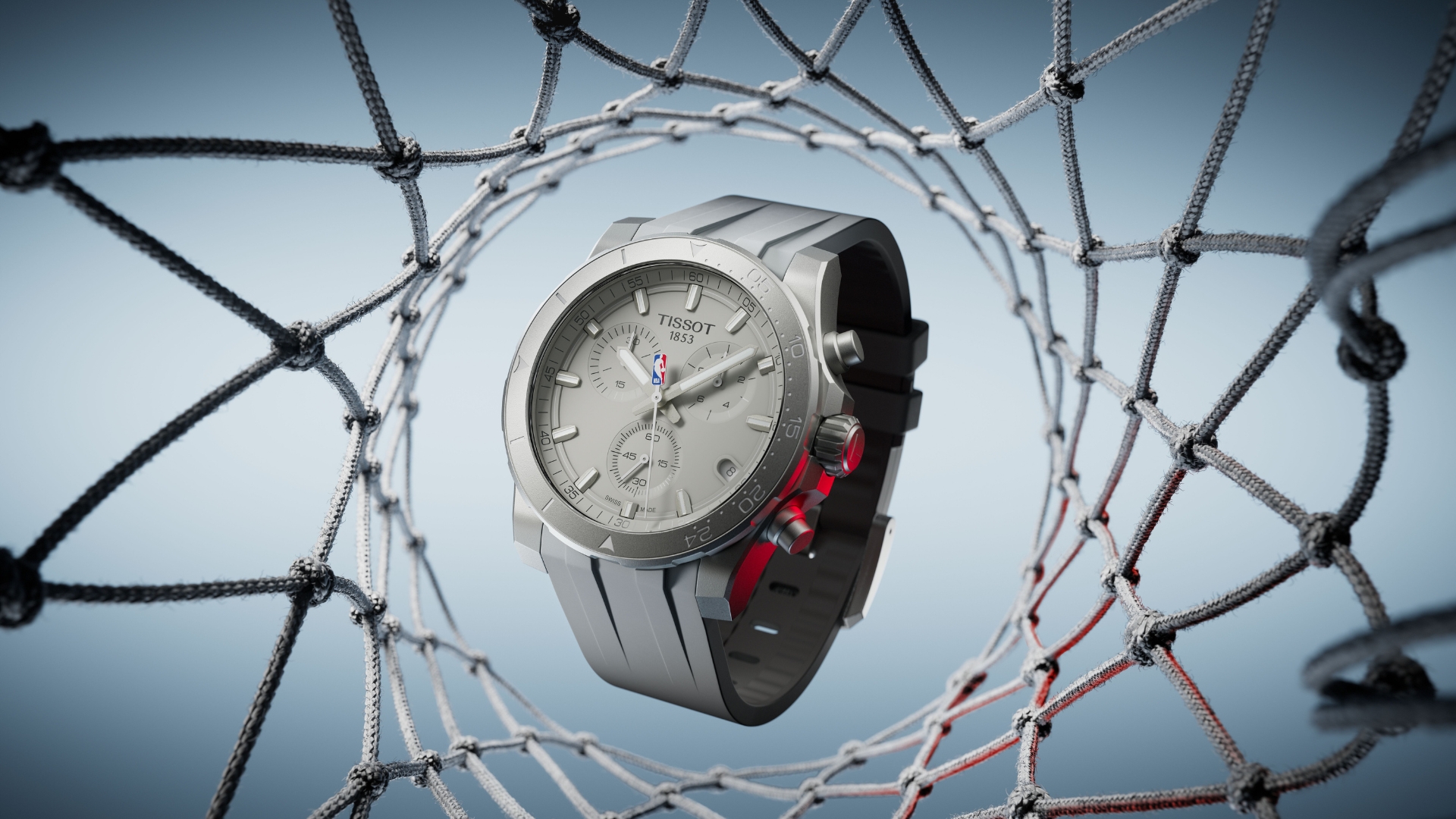
Tissot Refines the Seastar 2000 Professional, Now Smaller, Brighter and Rated to 600 Metres
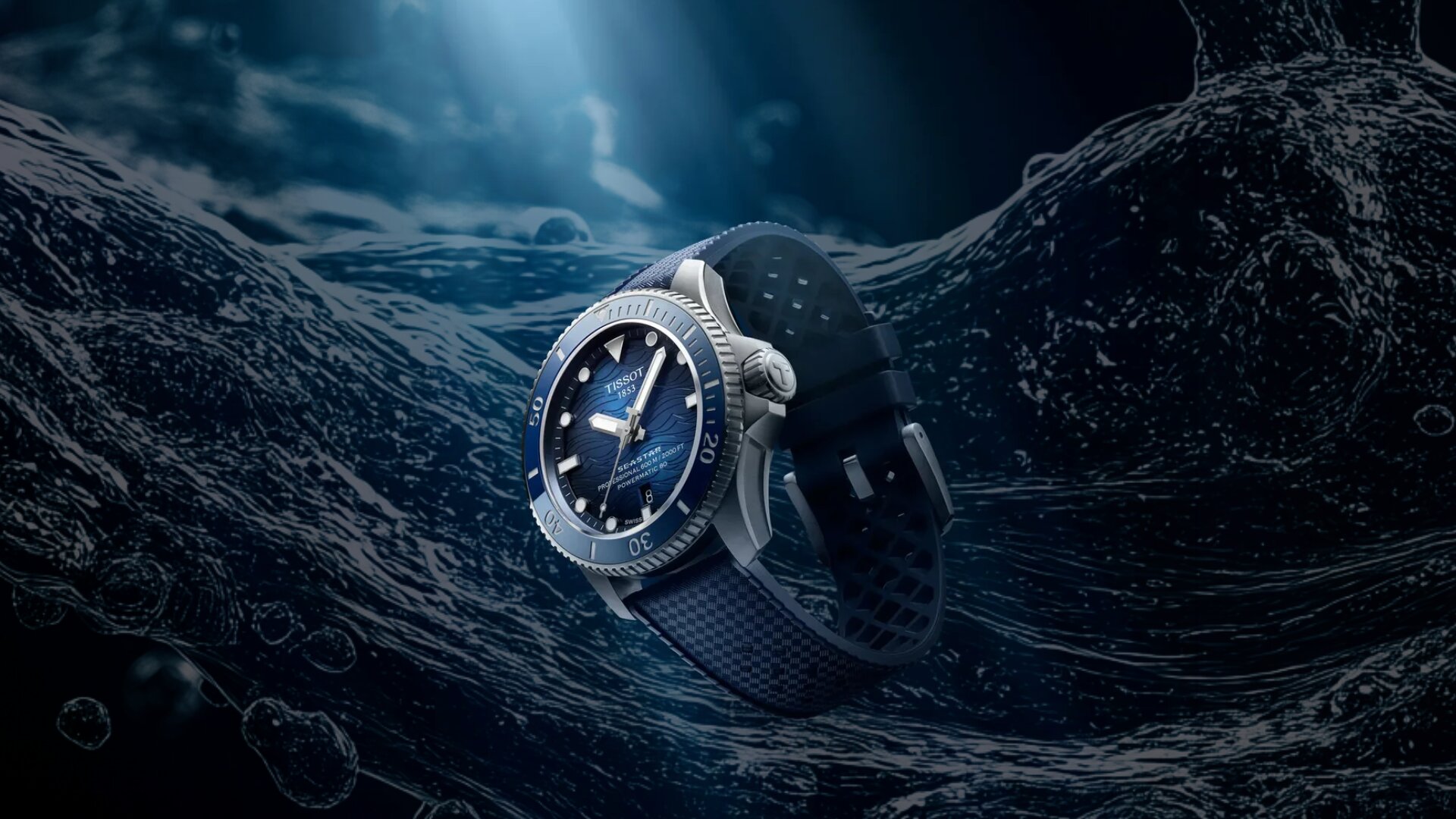

At 600 metres, the sea bears down with roughly 60 times the pressure found at the surface. Tissot designed its most capable diver for that world and in June, refined it. The Seastar 2000 Professional, introduced in 2021, returns in five new references with brighter colours, a more compact case and a revised clasp. The case diameter has been reduced from 46 mm to 44 mm, and the price drops from $1,275 to $1,050. It remains the brand's most capable underwater timepiece, refined rather than reinvented. Those are the particulars of the launch, and they appear only here. What follows concerns the purpose the watch serves.
A Descent by Subtraction
Colour is the first thing to leave. Within 10 metres, reds surrender their warmth and turn brown, then grey. Orange and yellow follow, greens fade and by 200 metres, only a faint blue persists. Beyond that, the only colour is whatever the diver has brought down.
The cold arrives with the dark, often close to freezing, and finds its way through neoprene within minutes. Sound alters its character. Water carries it faster than air, so noise loses its direction and settles into a close, even hum, with the diver's own breathing becoming the most audible thing in it. Pressure compresses every pocket of air in the body and dictates the unhurried tempo of the ascent.
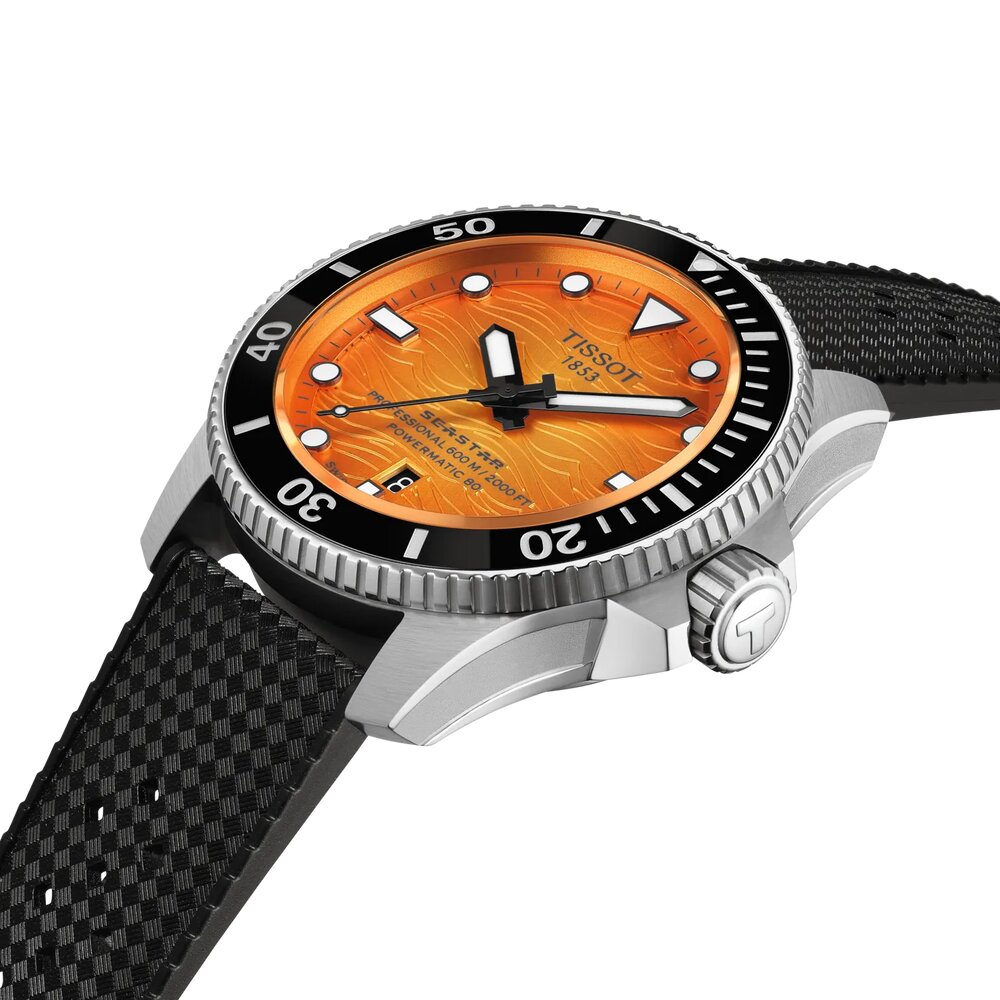
Here the brighter dials make their case. A saturated orange or a clear blue remains legible when the water has stripped away every other hue, making colour a working instrument rather than an ornament.
Now consider the watch itself. Its rating of 600 metres corresponds to 60 bars. One bar approximates the pressure of the atmosphere at the surface, so 60 bars is roughly 60 times that, bearing on the crystal, the case back and every seal. Very few people will ever dive to such a depth, which is precisely the point: the margin is what allows the watch to remain untroubled at 40 metres. The helium escape valve, candidly, concerns only saturation divers, who live and work for days in pressurised chambers. Most owners will never call upon it.
The Terms of Trust
Three things distinguish a professional dive watch from a decorative one: the movement, the strap and the clasp. The Seastar 2000 Professional is powered by the Powermatic 80, which pairs a Nivachron antimagnetic balance spring with an 80-hour power reserve. The reserve carries the watch through a long weekend off the wrist, so it is still running when it returns for Monday's dive. The antimagnetic spring preserves its rate beside phones, speakers and other sources of magnetism that might disturb a lesser movement. Both qualities count underwater for one reason: the diver times the ascent by this watch and has little else against which to check it.
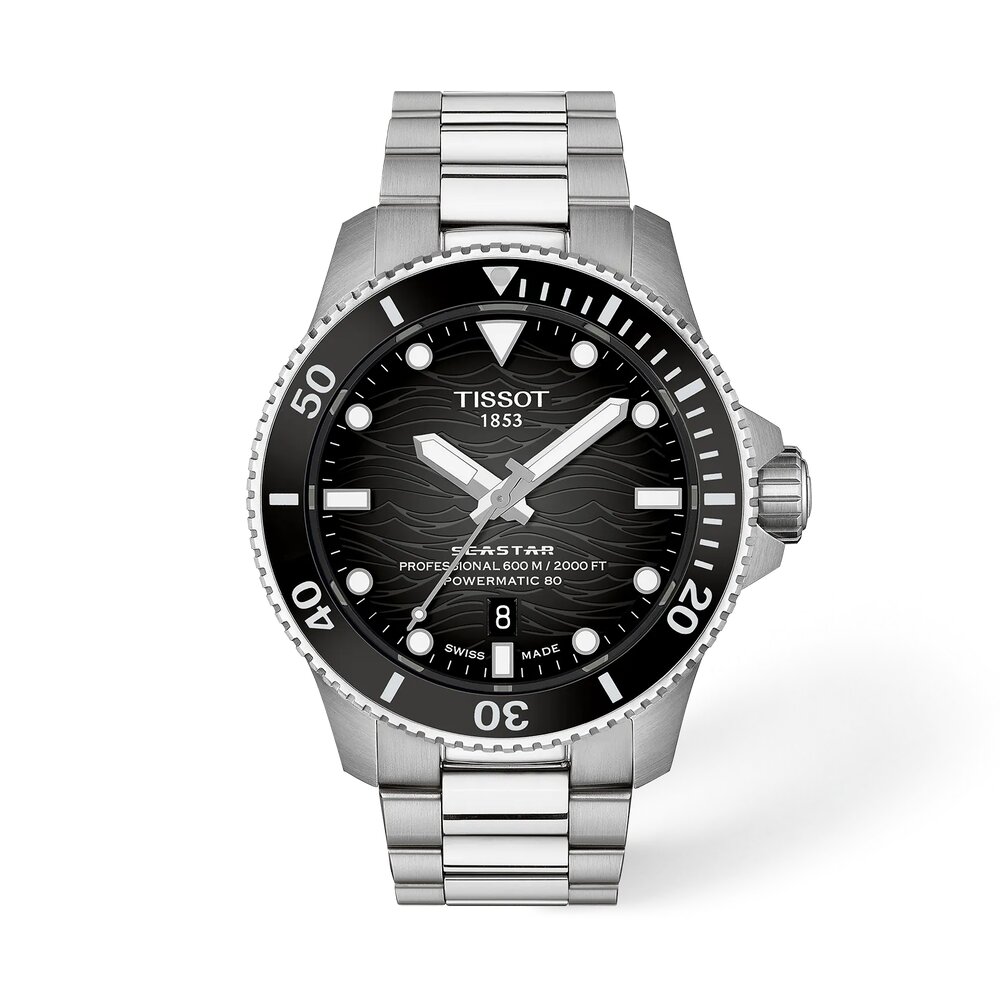
The strap completes the package. A quick-release system lets a diver move between a wetsuit and a dry suit, where the sleeve is bulkier and the fit changes, without tools. The clasp should be equally accommodating over neoprene, since the wrist fastened at the dock is not the same wrist that surfaces.
At the surface, colour returns in turn, with reds arriving last of all. The pressure eases and the cold relents. Sixty bars was only ever a margin, held in reserve so that the wearer never has to think about it. The finest dive watch is the one you forget is there.
Image Credits: Tissot