Hired for the Job: An Origin Story of Six Timepieces Created to Solve a Problem
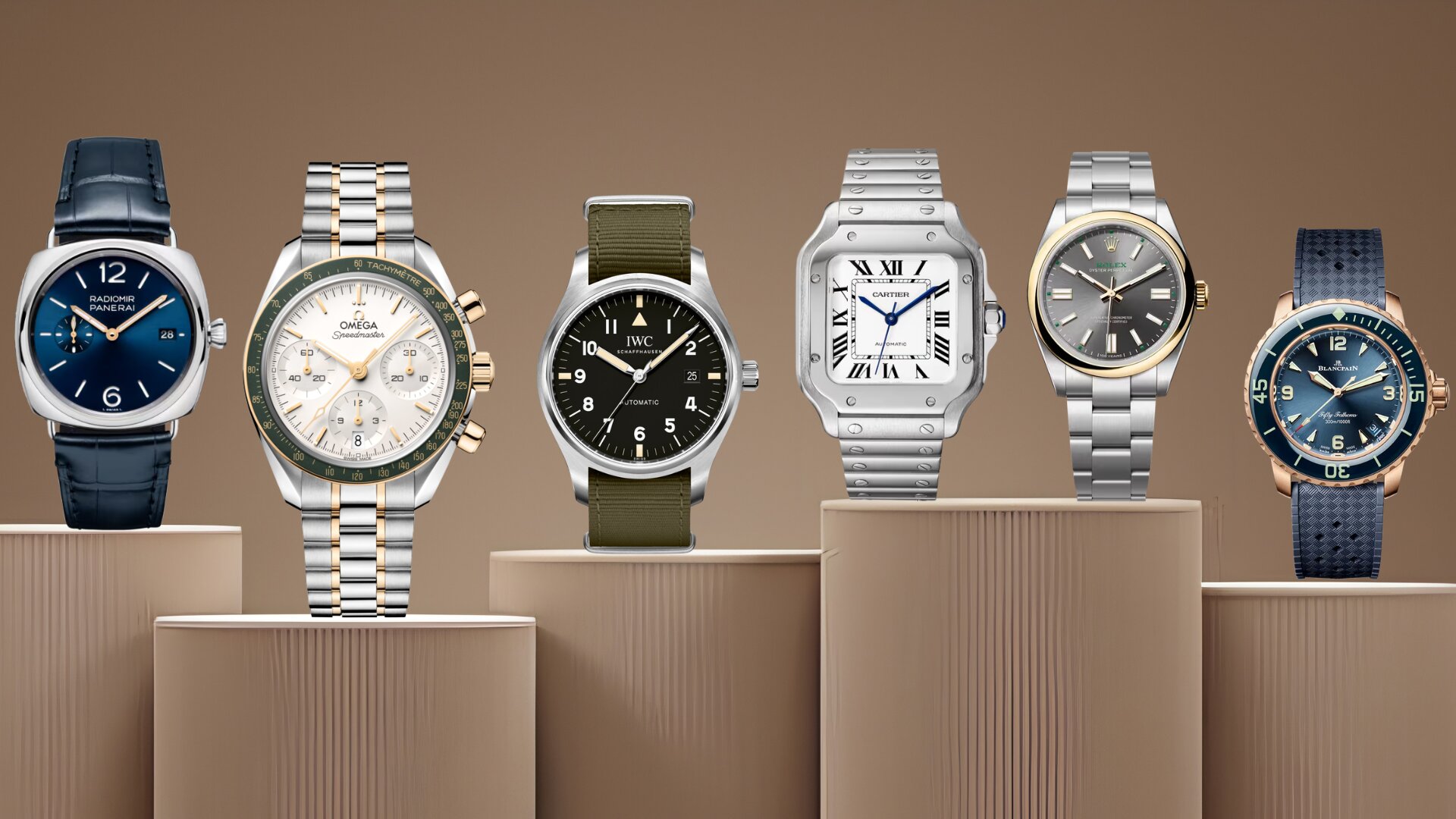

A watch is first judged by its appearance. These six were expected to endure, and judged above all by whether they performed, by people with little tolerance for failure: an aviator who could not spare a hand from the controls, a naval diver reading a dial in dark water, a pilot whose cockpit interfered with the movement on his wrist. Four were conceived expressly for a profession. The remaining two, from Rolex and OMEGA, earned their defining roles only after others had put them to the test.
The First Job Offer
For most of the nineteenth century, the pocket watch sufficed, since its owner was free to pause and retrieve it. Officers were reportedly wearing watches on the wrist as early as the 1880s and by the Second Boer War, from 1899 to 1902, manufacturers were producing wristwatches for field use.
No single figure originated the idea. It arose among the people who needed it, and the maker's contribution lay in answering them with precision. The earliest well-documented instance is the Cartier Santos, and the watches that follow repeat its logic: a professional states a problem and one decisive design choice resolves it.
The Aviator's Answer: Cartier Santos
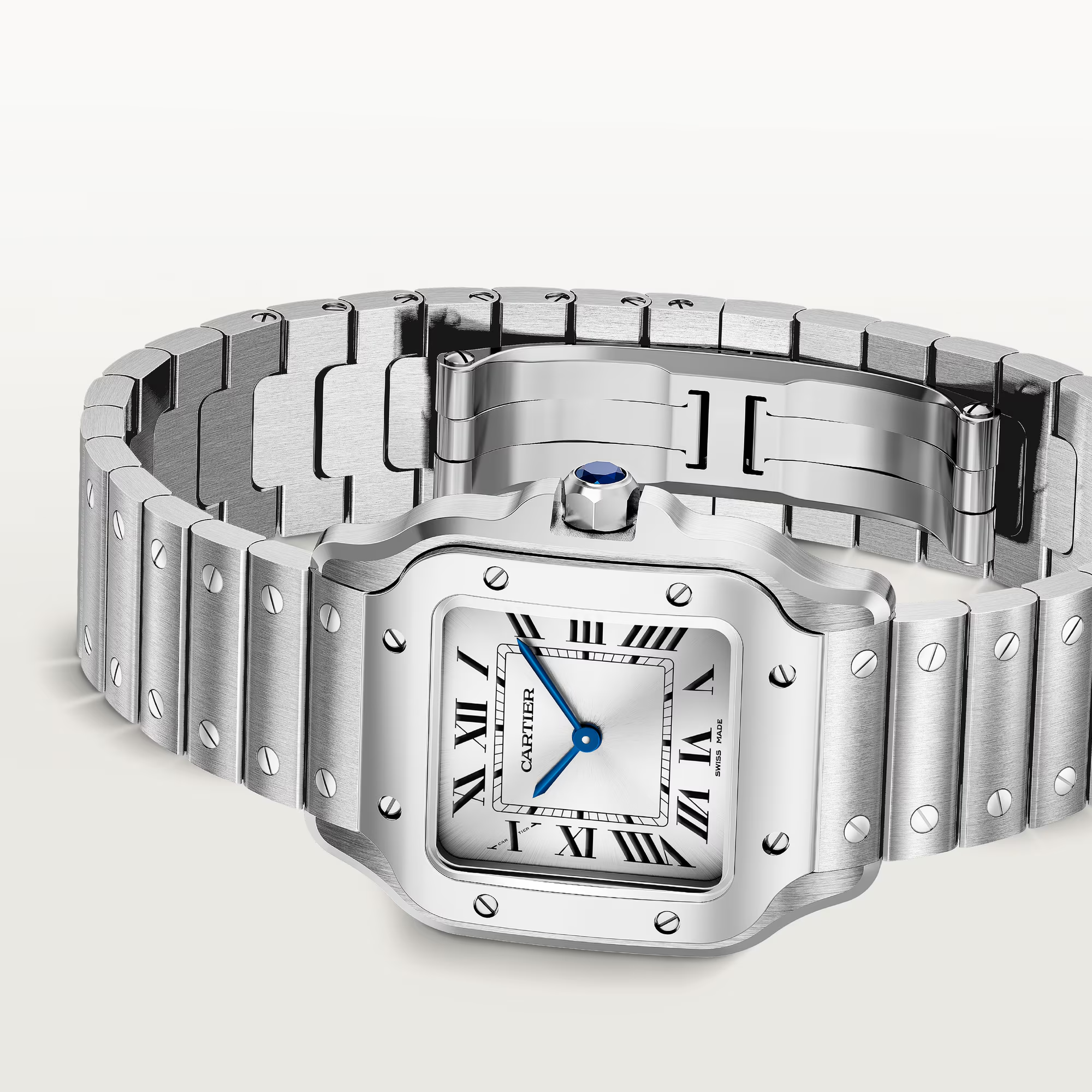
In Paris in 1904, Brazilian aviator Alberto Santos-Dumont complained to his friend Louis Cartier that consulting a pocket watch in flight required him to release the controls. Cartier answered with a flat, square watch secured by a leather strap, and Santos-Dumont wore it on every flight. The House dates that first example to 1904; the public model followed in 1911, fitted with movements by Edmond Jaeger. The screws exposed on the bezel were a consequence of construction, yet they became the watch's signature.
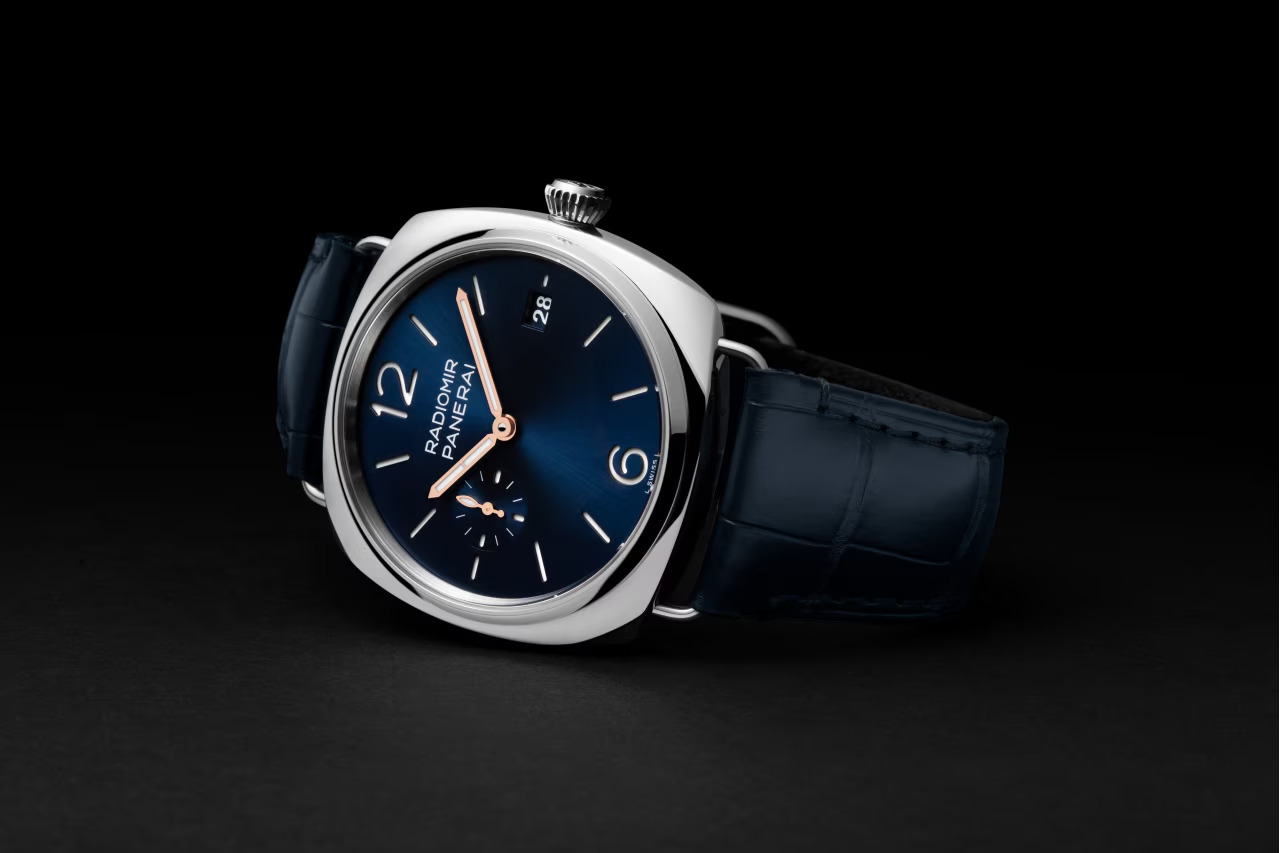
The Frogman's Instrument: Panerai Radiomir
Panerai, a Florentine firm founded in 1860, had supplied instruments to the Italian Royal Navy for decades before it made a watch. Radiomir was its name for a radium-based luminous compound. Around 1936, the Navy requested a wristwatch for its combat swimmers, one capable of withstanding extreme underwater conditions while keeping exact time. Panerai turned to Rolex for a case of roughly 47 mm and a hand-wound movement; deliveries to the Navy began in 1938. Parts of the House's chronology remain disputed, but the proportions were governed by what a diver had to read.
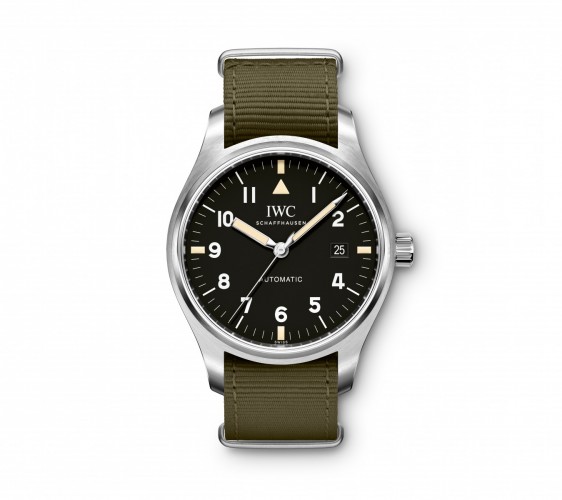
The Magnetic Problem: IWC Mark 11
IWC introduced its first Special Pilot's Watch in 1936, at the instigation of the brothers Hans Ernst and Rudolf Homberger. The commission of lasting consequence arrived in 1948, when the Mark 11 was supplied to the British Royal Air Force and marked with the Broad Arrow. The difficulty lay in the cockpit itself, whose equipment generates magnetic fields strong enough to degrade a mechanical movement's accuracy or halt it entirely. IWC enclosed the movement in a soft-iron inner case, an arrangement the company describes as the first of its kind in service.
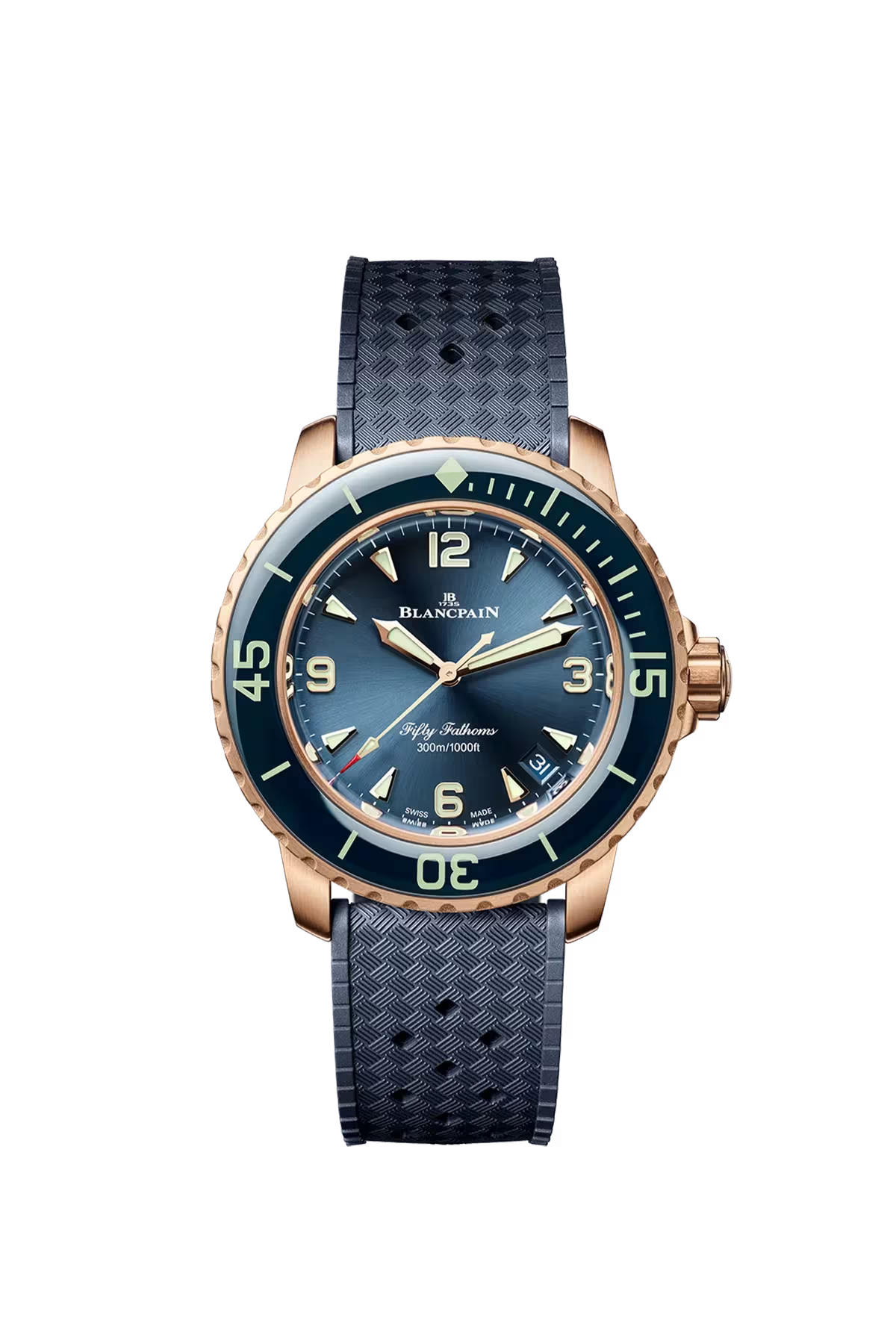
The Combat Swimmer's Brief: Blancpain Fifty Fathoms
In 1952, Captain Robert Maloubier and Lieutenant Claude Riffaud, who had founded the French combat swimmer unit, rejected the watches they tested as too small, hard to read or insufficiently waterproof. They turned to Jean-Jacques Fiechter, who had directed Blancpain since 1950 and was himself a diver. In 1953, Blancpain delivered a watch with a double-sealed crown, a patented caseback seal and a redesigned rotating bezel. Its name refers to a depth of 50 fathoms, about 91 metres. Jacques Cousteau later chose it for the dives filmed in The Silent World, which won the Palme d'Or in 1956.
Hired Later: Rolex and OMEGA
Not every watch begins with a commission; some are assigned their role afterwards.
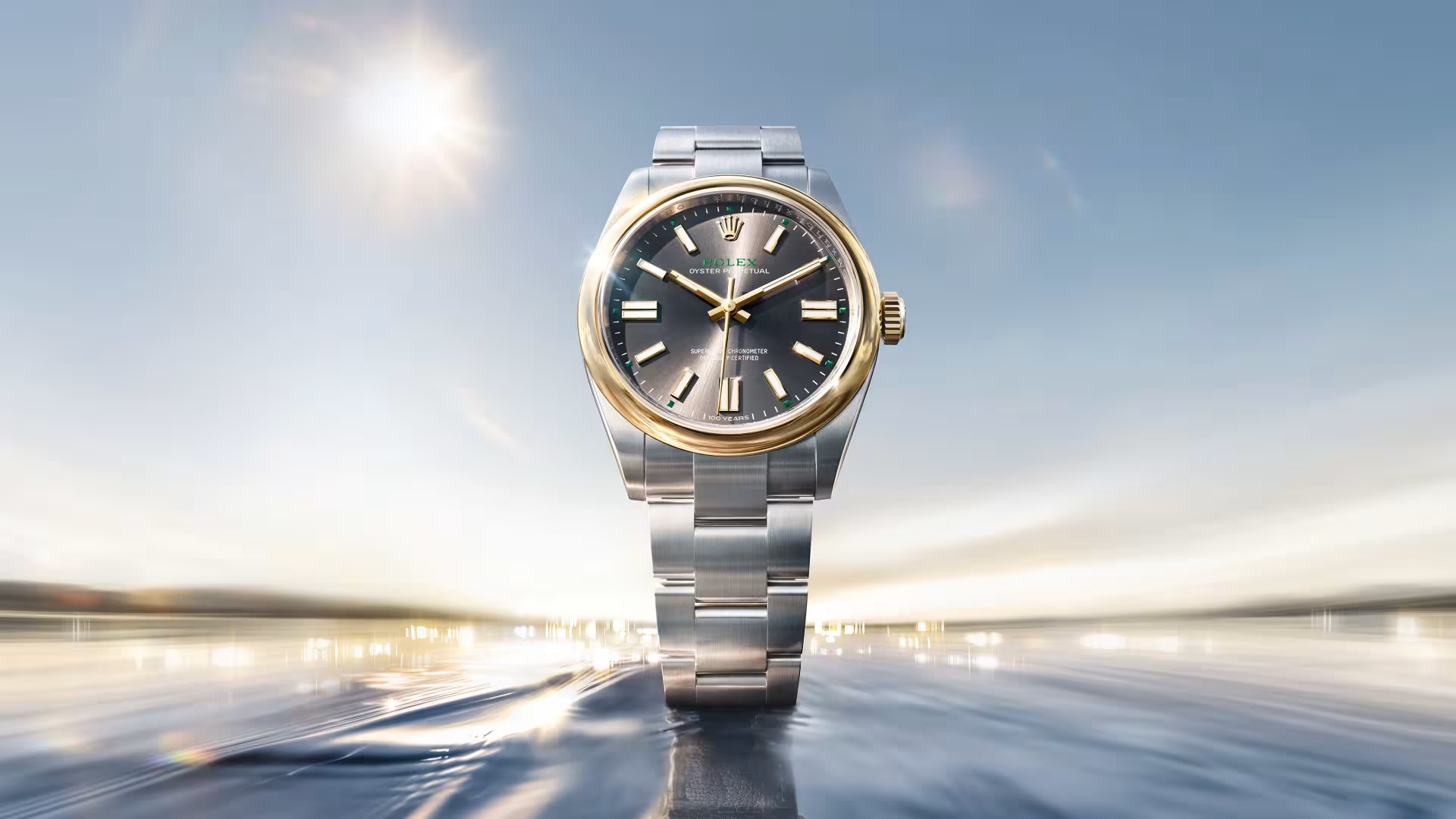
The Channel Test: Rolex Oyster
Hans Wilsdorf introduced the Oyster in 1926, a case sealed by a screw-down bezel, caseback and crown. A claim of that kind demands public proof, and it arrived in October 1927 through the English swimmer Mercedes Gleitze. Her Channel crossing had been doubted after another swimmer's hoax, so she arranged a second attempt, the vindication swim, on 21 October, 1927. She carried an Oyster and agreed to supply a testimonial. She did not complete the swim, but the watch spent more than 10 hours in cold water and kept reliable time, which was all Wilsdorf required. On 24 November, Rolex occupied the front page of the Daily Mail.
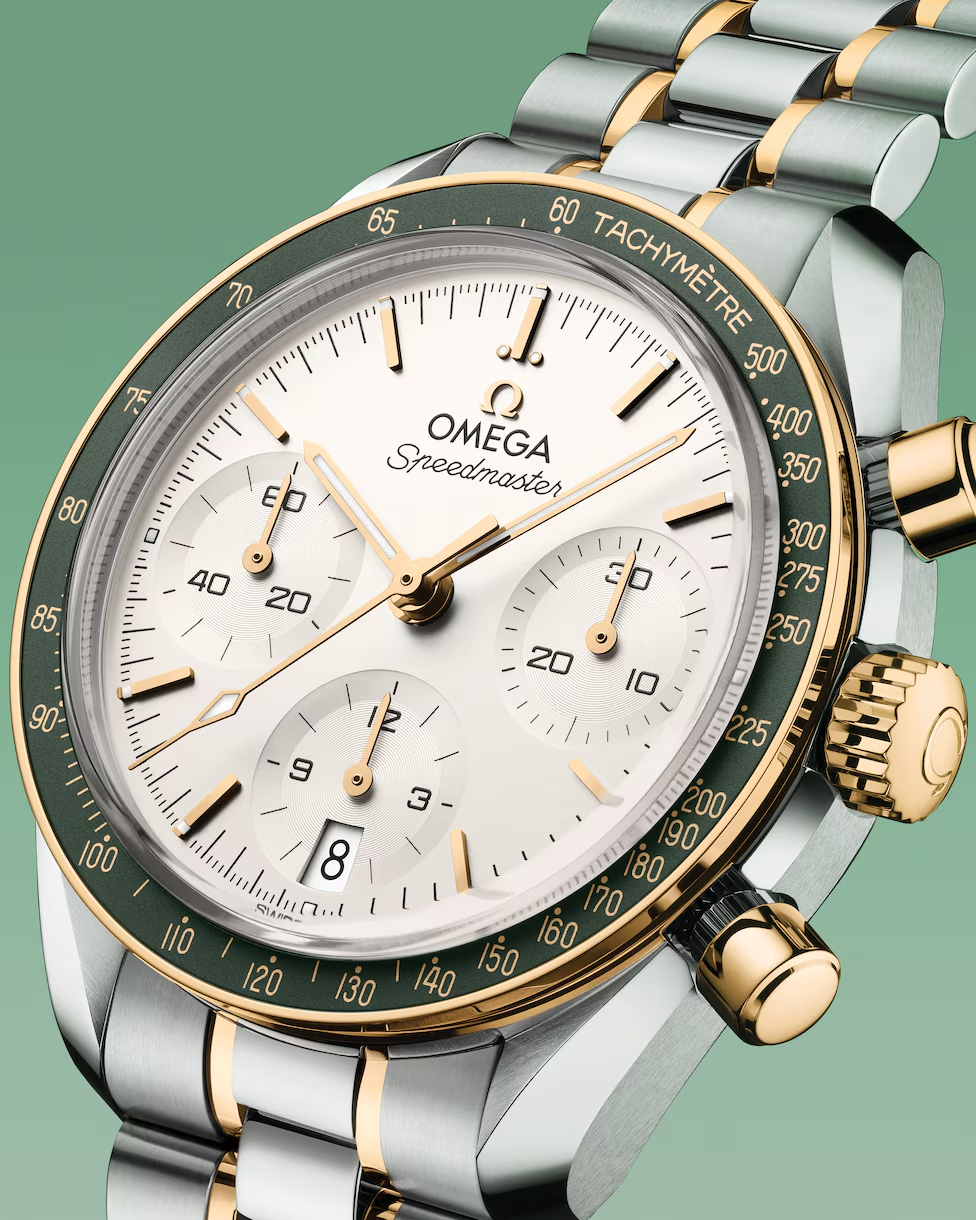
The Qualification Trials: OMEGA Speedmaster
OMEGA introduced the Speedmaster in 1957 as a chronograph for sport and racing. In October 1964, NASA invited manufacturers to submit chronographs for Gemini and Apollo crews, and subjected them to tests, including heat, cold, vacuum, humidity, shock and vibration. Only the Speedmaster passed and in March 1965, it was certified flight-qualified for all manned space missions. It became the first watch worn on the moon, during Apollo 11 in July 1969. In April 1970, with the Apollo 13 spacecraft's computer powered down, the crew relied on its chronograph, and NASA gave OMEGA the Silver Snoopy Award.
Many of these professions have changed beyond recognition, yet all six watches have descendants in production. Each rests on a documented requirement and a result that someone with a real task was prepared to accept. That record is the source of their authority.
Image Credits: Respective brands