Time’s new muse or finally the protagonist?

Before dials existed, women marked the hours in germinating seeds. While time was never absolute, it was instinctive and mapped in changing light and shifting seasons. Today, that very primal need to hold a moment still — has crystallised into something more enduring, as women set the pace for horology’s new age movements. Aligning time with individuality and purpose, they are ushering in a new era where power and beauty exist in tandem. In that spirit, Rolex recently announced Zendaya as its official ambassador, while Montblanc found its muse in the Saudi-Arabian filmmaker and actress — Fatima Al Banawi. Closer home, Piaget adorned the wrist of Mira Rajput Kapoor, who anchored the cover of our Lady issue with gravity.
While luxury maisons hail them as the new arbiters of taste, catalysts who elevate desirability and infuse emotional capital into a brand — there’s something deeper at play. These women aren’t just wearing timepieces; they’re refracting time through their own lived realities. Emerging as cultural prisms, their stories of hustle, cracks, and triumphs turn synonymous with the art of timekeeping: resilient and forbearing. But as brands distill this narrative into the mainstream, a question persists: how deeply does this influence truly seep into the world of watchmaking?
The Invisible Hand
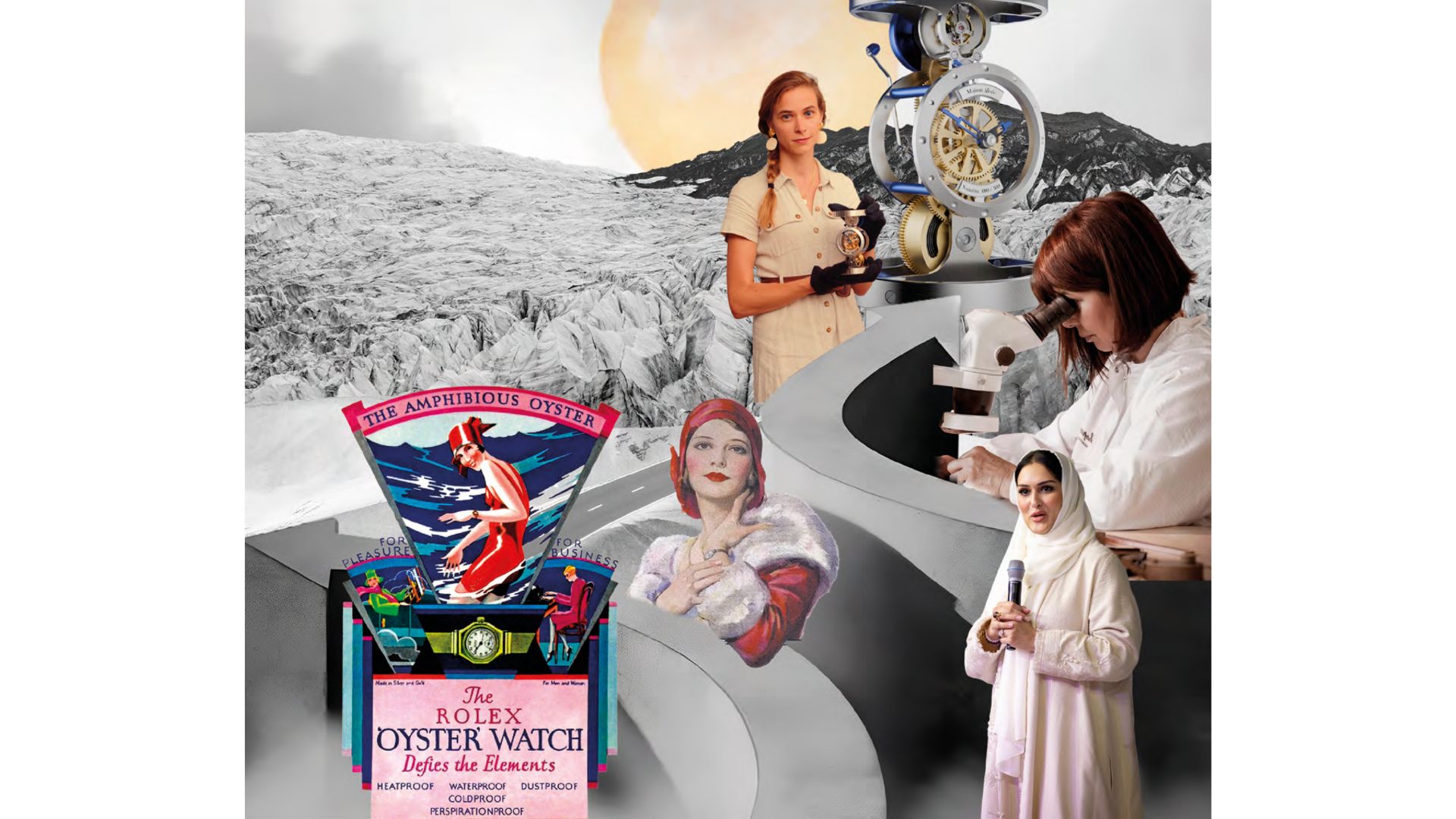
Look closer, and a sharper image comes into focus. The spotlight may have widened, yet the seats at the table remain largely unchanged. Despite women making up for 43 percent of the Swiss watchmaking workforce (Deloitte, Spotlight on the Female Market), they remain absent from leadership benches, in an industry still shaped by legacy hierarchies and quiet gatekeeping. And yet, maisons increasingly draw from her aesthetic clarity, instinct for detail, and cultural fluency that shape the zeitgeist of modern watchmaking. With an outlook that is bold, focused, and distinctly her own, she is no longer waiting for a seat. She is taking it, and redefining what authority looks like in horology.
The record speaks for itself. Women have played a defining role in watchmaking since its inception, their influence embedded in the craft’s foundations. Earlier, in the 18th century, Abraham-Louis Breguet was commissioned to create the legendary watch No. 160 for the French Queen Marie-Antoinette — an ornate timepiece with 23 complications, one of the pioneering assemblies in that era. At Cartier, Jeanne Toussaint, a style icon known as “La Panthère”, rewrote the codes of design as she turned Cartier’s watch-jewels and animal motifs into emblems of sensuality and power. Icons that still continue to reign in high fashion. Even in fragments, the feminine gaze introduced a savoir-faire so refined, it rewired the inner sanctums of watchmaking.
Reclaiming Time’s Narrative
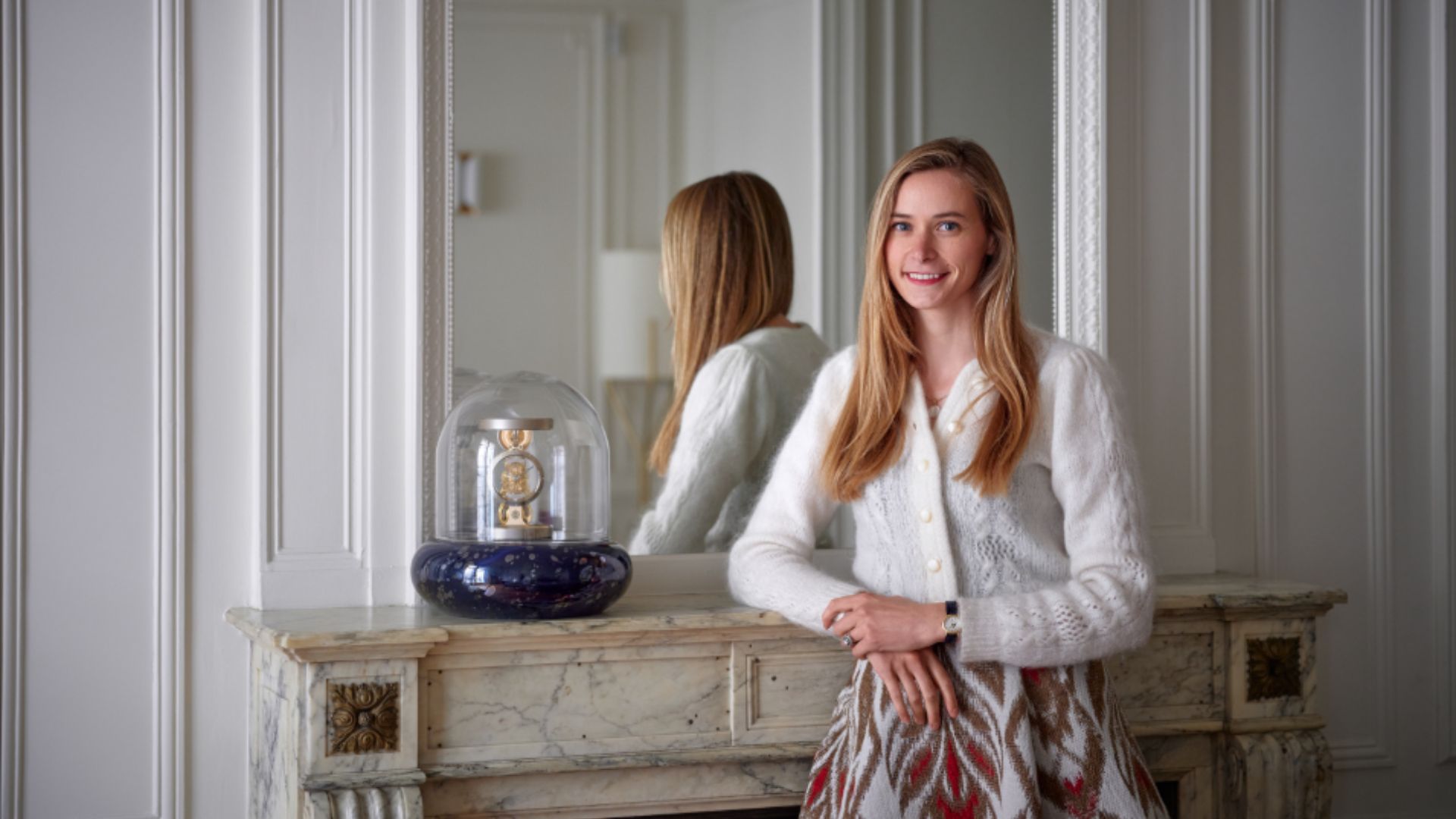
Casting that spirit in a new light today is Alcée Montfort, an independent French watchmaker who won the GPHG Audacity Prize in 2023 for her Persée Azur Watchmaking Box Set.
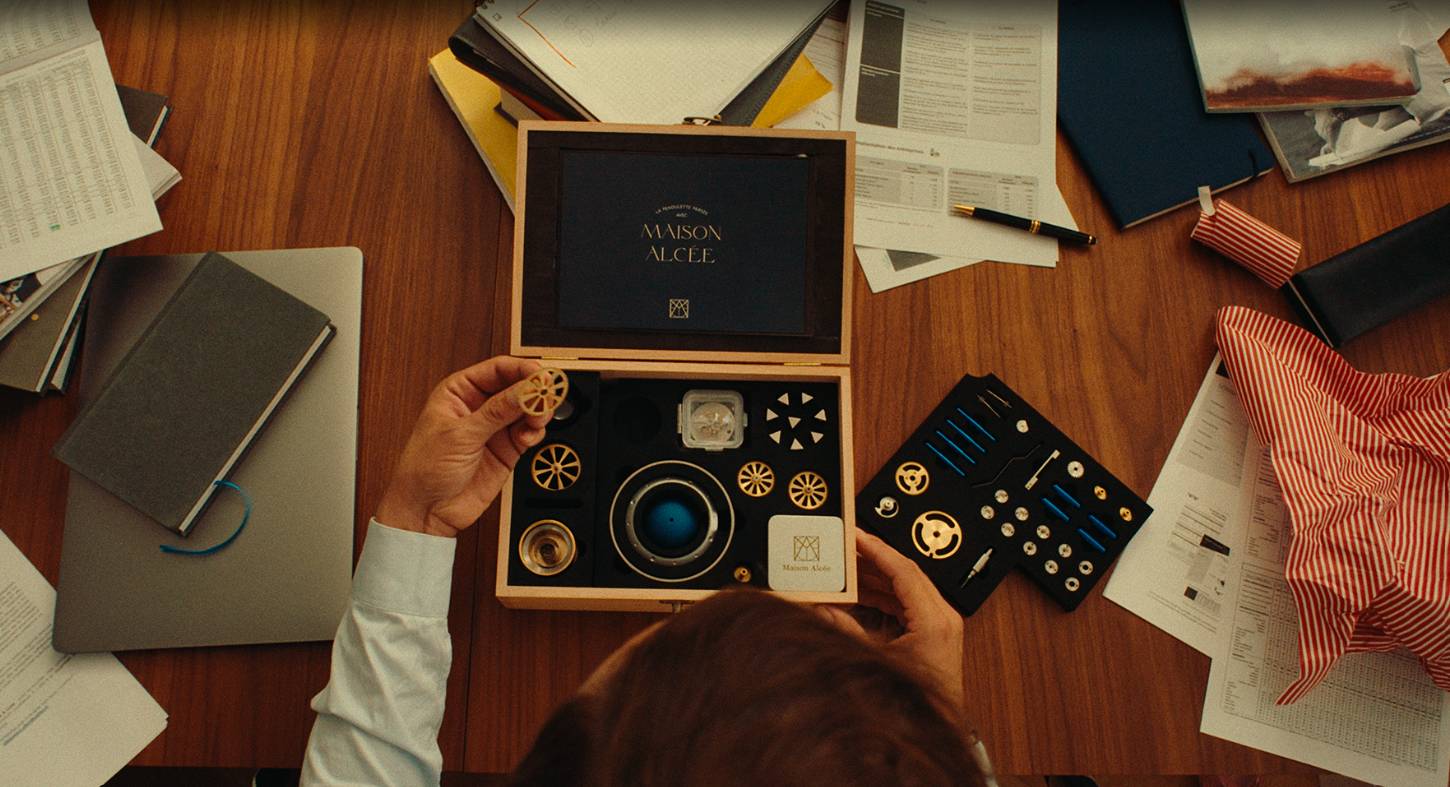
Montfort has carved her name not only for her technical ingenuity but also for the sensitivity she brings to the craft. “My feminine perspective helps place emotion at the heart of this creative process,” she tells GMT India. When Maison Alcée launched, scepticism ran high. “Many watchmakers didn’t believe novices could assemble their own movements at home,” Montfort recalls. But she broke myths by collaborating with Thierry Ducret, one of the few Meilleur Ouvrier de France (Best Craftsman of France) in watchmaking and a professor at the Lycée de Morteau, a renowned watchmaking school in Morteau, France. “Together, we developed our own movement, overcoming every obstacle of assembly,” she says.
While at the legacy watchmaking maison IWC Schaffhausen, Sardinia-born designer Maria Luisa Mamusa quickly realised that her strength wasn’t rooted in traditional horological obsession — it was in seeing watches differently. “Being a woman in a male-dominated industry already gives me a different point of view. But what truly sets me apart is that I’m not a watch nerd,” she confesses. “I love watches, I wear them, I collect them — but I’m not consumed by reference numbers, production years, or complications.” That creative distance, she explains, becomes her design advantage. “It allows me to focus on pure aesthetics and emotion and not status signalling. I want to create timeless companions: pieces that empower and reflect the personality of the wearer.”

No old boys’ network. No inherited hierarchies. Just pure calibre — fuelled by instinct and drive to push beyond the obvious.
Steering Legacy, Her Way
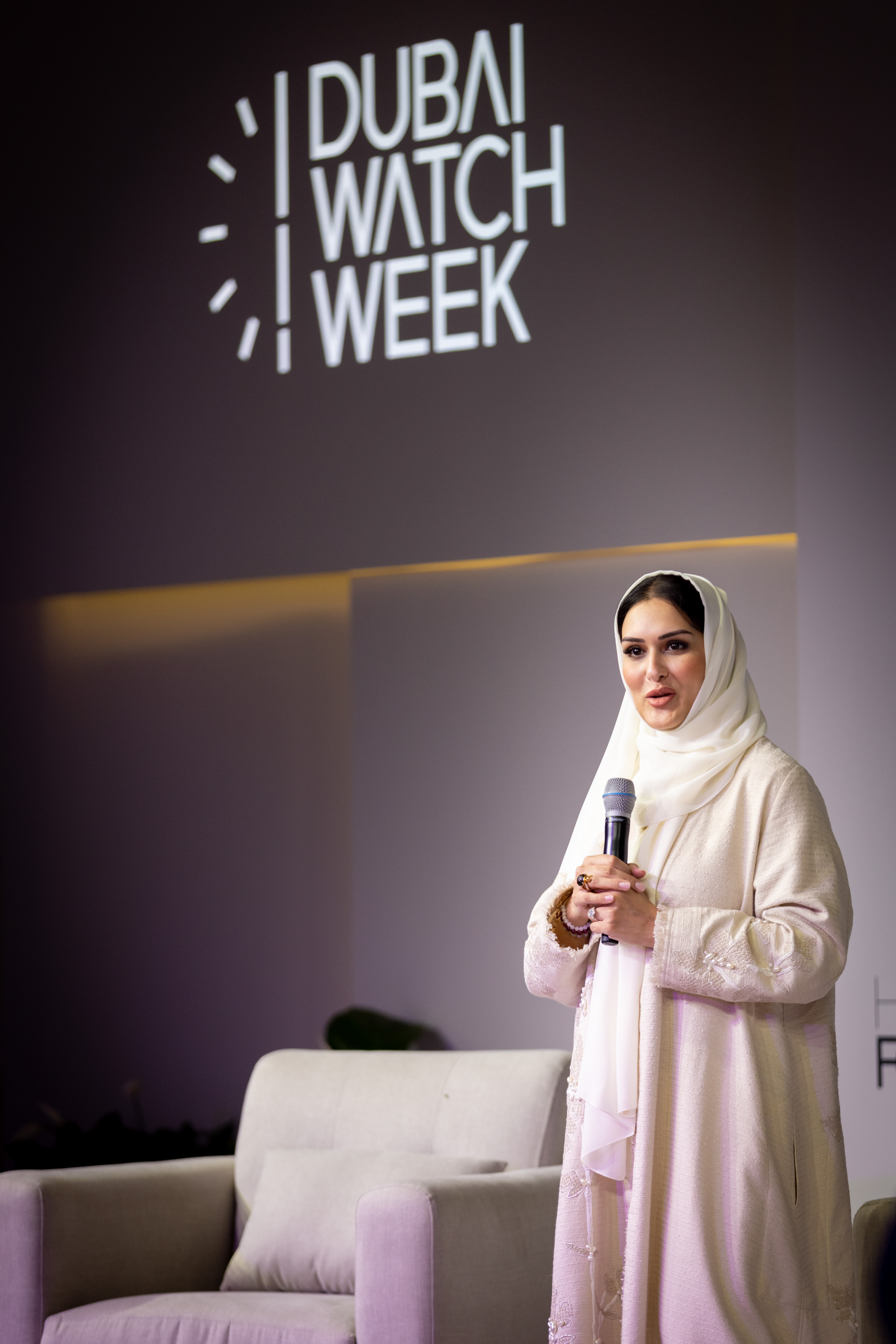
In Dubai, this dialogue has matured into a defining cultural moment of the Orient. At the forefront is Hind Abdul Hamied Seddiqi, Director General of Dubai Watch Week, whose vision has turned the watch gala into one of horology’s most dynamic cultural stages. Held this November, Dubai Watch Week returned for its seventh edition, featuring over 90 watchmaking brands and a stellar lineup of speakers. Under Seddiqi’s stewardship, the shift is clear — women aren’t just muses to time, but the very hands that shape its narrative.
As women chart new paths of influence, maisons like Chopard are reinforcing that commitment — not with rhetoric, but by investing in craft at its source. “We had this mutual opportunity; a member of our team wished to learn engraving techniques, and we wanted to give her the chance to practise and perpetuate this particular aspect of Fleurier’s heritage,” outlines Karl-Friedrich Scheufele on engraving practices at Chopard.
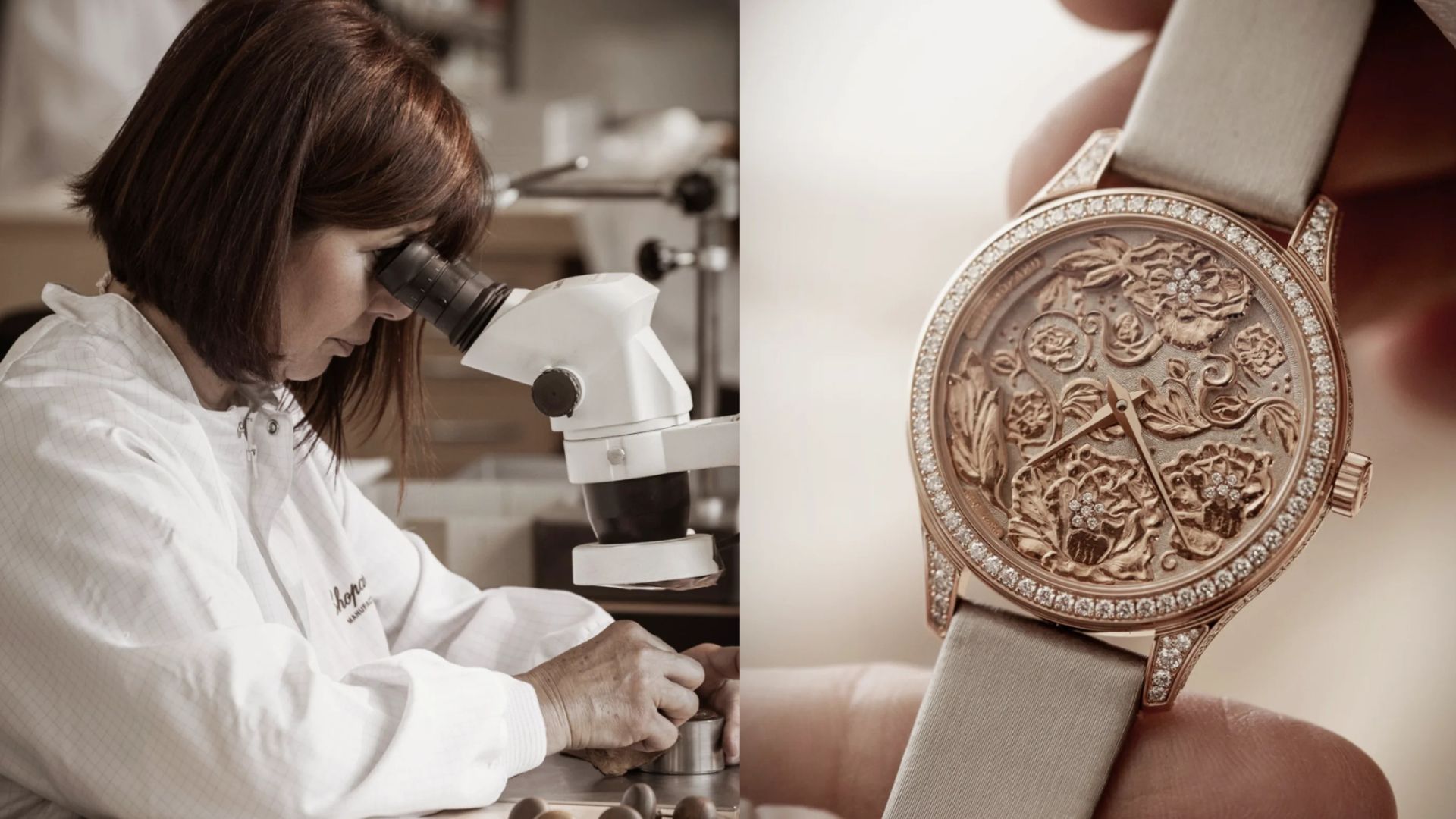
That talent is Nathalie —a Fleurisanne engraving artisan. Only a select few Chopard timepieces pass through her hands, each unmistakably ennobled in the process. Her tools, many over 15 years old, include handmade gravers and punches, honed to perfection to ensure every groove is flawless. In her meticulous craft, one witnesses Chopard’s quiet devotion to the human touch ― a reminder that it takes feminine might to truly embellish time.
Carving Authorship Forward
Even the most forward-leaning watch maisons are now recognising that multiplicity is not for optics but for evolution. At Hublot, women have become central to that shift. “At Hublot, women play an integral role across departments, from technical watchmaking and movement assembly to design and innovation. They bring precision, patience, and a distinct perspective that enriches our creations,” shares David Tedeschi, Hublot’s Managing Director of Indian, Middle Eastern, African and Latin American markets.
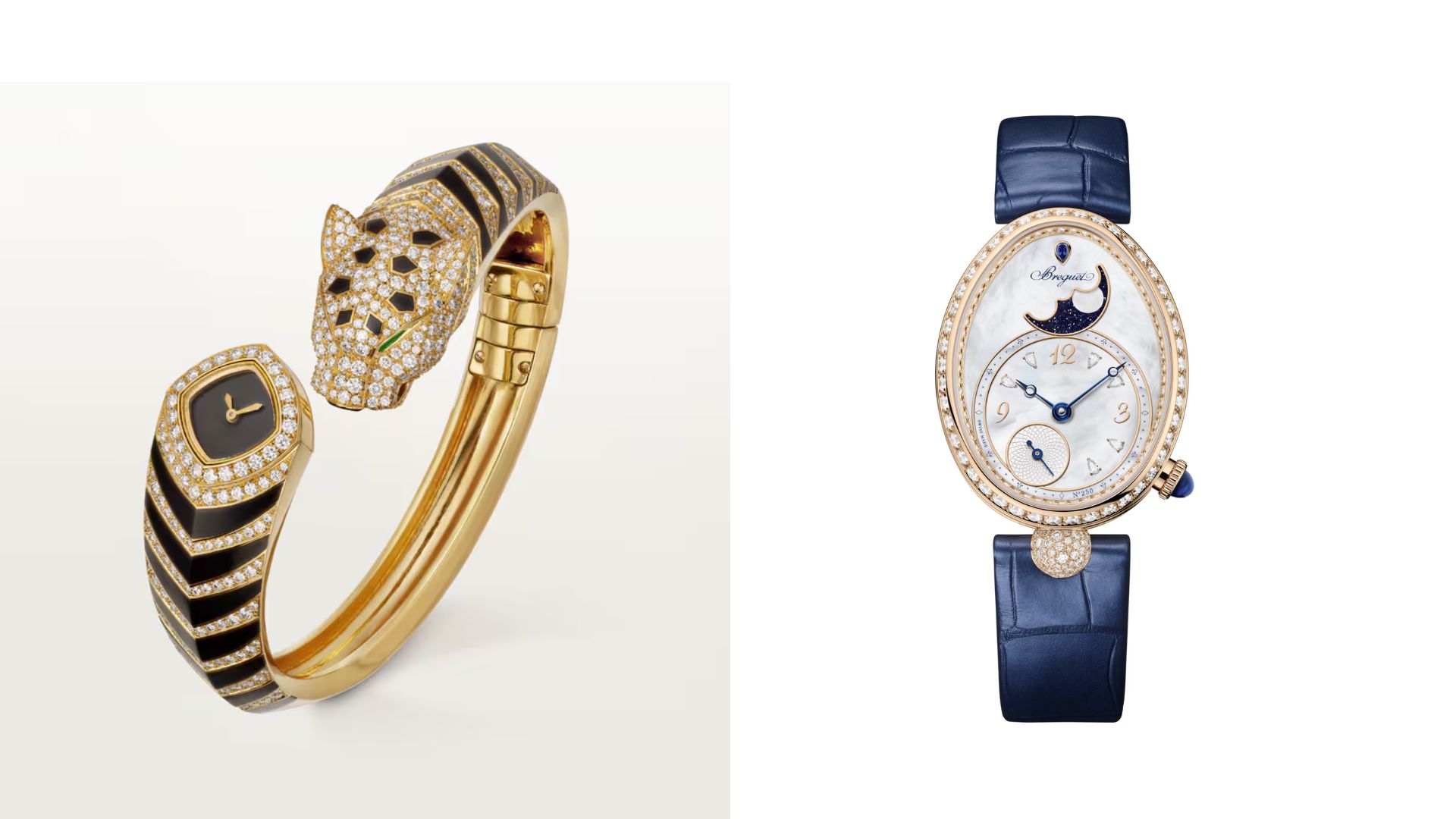
Beyond technical intricacies, women at Hublot are also credited for bringing “a flair for aesthetics and detail, essential in crafting pieces that resonate with their clients”. It’s a philosophy that reinforces the idea that watchmaking is as much about art and empathy as it is about mechanics and mastery. The same spirit echoes across other maisons that are consciously rewriting the codes of equality. At Herbelin, women are not only upholding French savoir-faire but redefining it as well. The brand considers gender equality a core value ― one reflected in its numbers as much as in its philosophy. “Today, women represent 33 percent in research and design departments, a remarkable 80 percent in watchmaking ateliers, and 50 percent in product strategy and creative roles,” says Benjamin Theurillat, Export Sales Director and Partner at Herbelin.
Within the Maison, women play a pivotal role in shaping both the creative and technical future of the brand, steering its design, marketing, and product strategy with equal measure of intellect and intuition, he adds.
Beyond the Muse
As this new era unfolds, the hands that guide horology’s future are as steady as they are visionary. From Caroline Scheufele, Co-President and Artistic Director of Chopard, to Catherine Rénier, CEO of Van Cleef & Arpels, who has redefined modern luxury with quiet conviction, the industry’s leadership reflects a new equilibrium. Frédérique Constant’s Niels Eggerding works alongside a growing team of women driving design and innovation, while at Hublot, Julien Tornare champions inclusivity through women-led design and marketing divisions. In their collective presence, the message is unmistakable: watchmaking is no longer simply inspired by women but being refined under their grace and intellect.

To conclude, cultural spotlight may have lit the stage, but the real transformation in watchmaking is unfolding behind the scenes, in ateliers, boardrooms, and design studios where women are no longer the muse but the mind. Across the spectrum, women are sketching a new blueprint that signals a deeper evolution: one that goes beyond glossy campaigns. And it is safe to state that the luxury watch world is no longer merely adorning women, it’s being rewired by them, one gear at a time.