Tissot CEO Sylvain Dolla on India’s Growing Significance for the Swiss Watchmaker

Few Swiss watchmakers have built their identity around the everyday experience of time as effectively as Tissot. From the sporty, integrated-bracelet appeal of the PRX to the nautical character of the Seastar, the brand’s charm lies as much in wearability as it does in the mechanics.
Offering first-time buyers an entry into Swiss horology while giving seasoned collectors plenty of reasons to return, Tissot has developed a growing audience in India. The country is now Tissot’s third largest market globally, after the US and China, with the brand recording more than 35 per cent year-on-year growth.
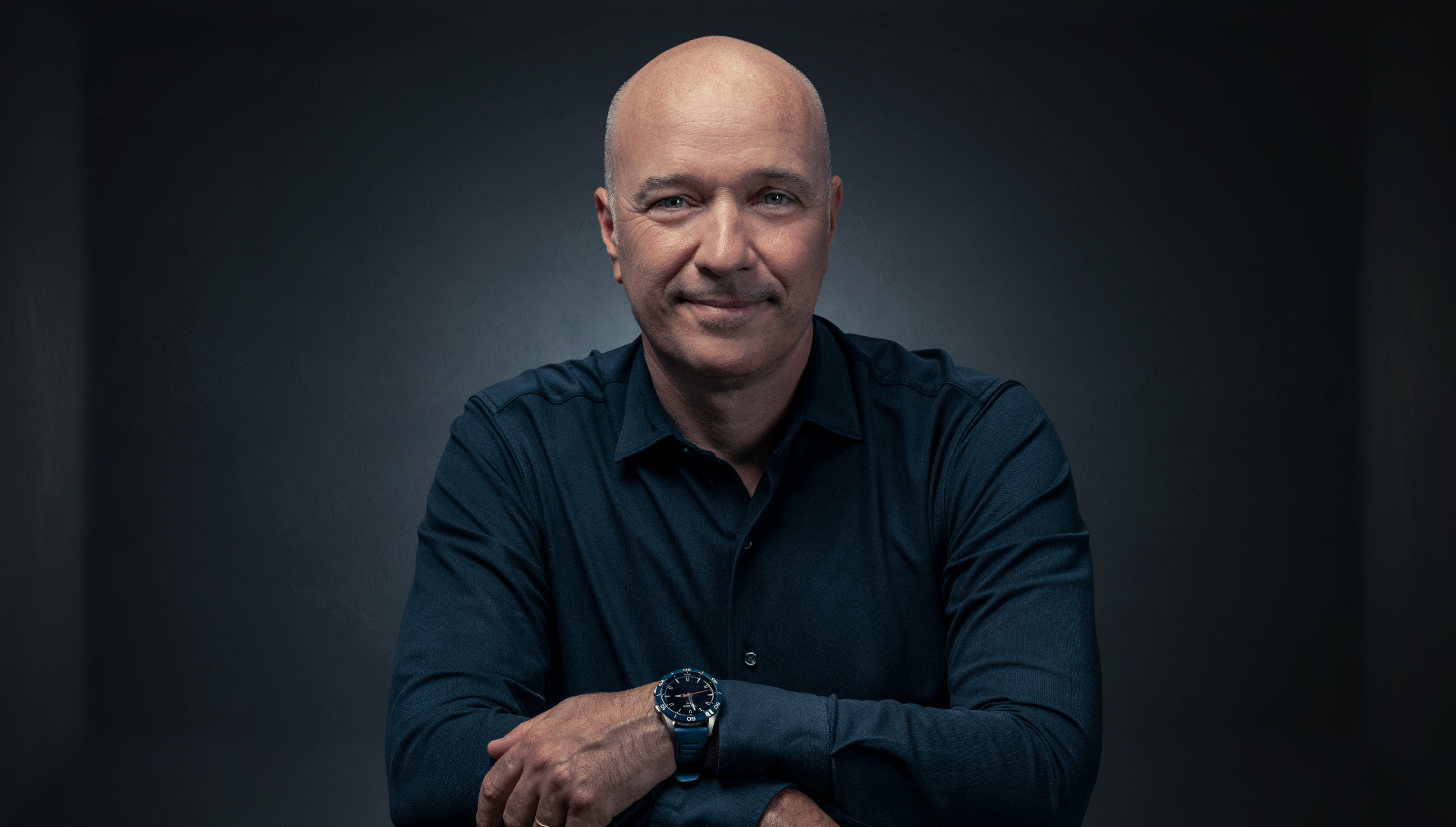
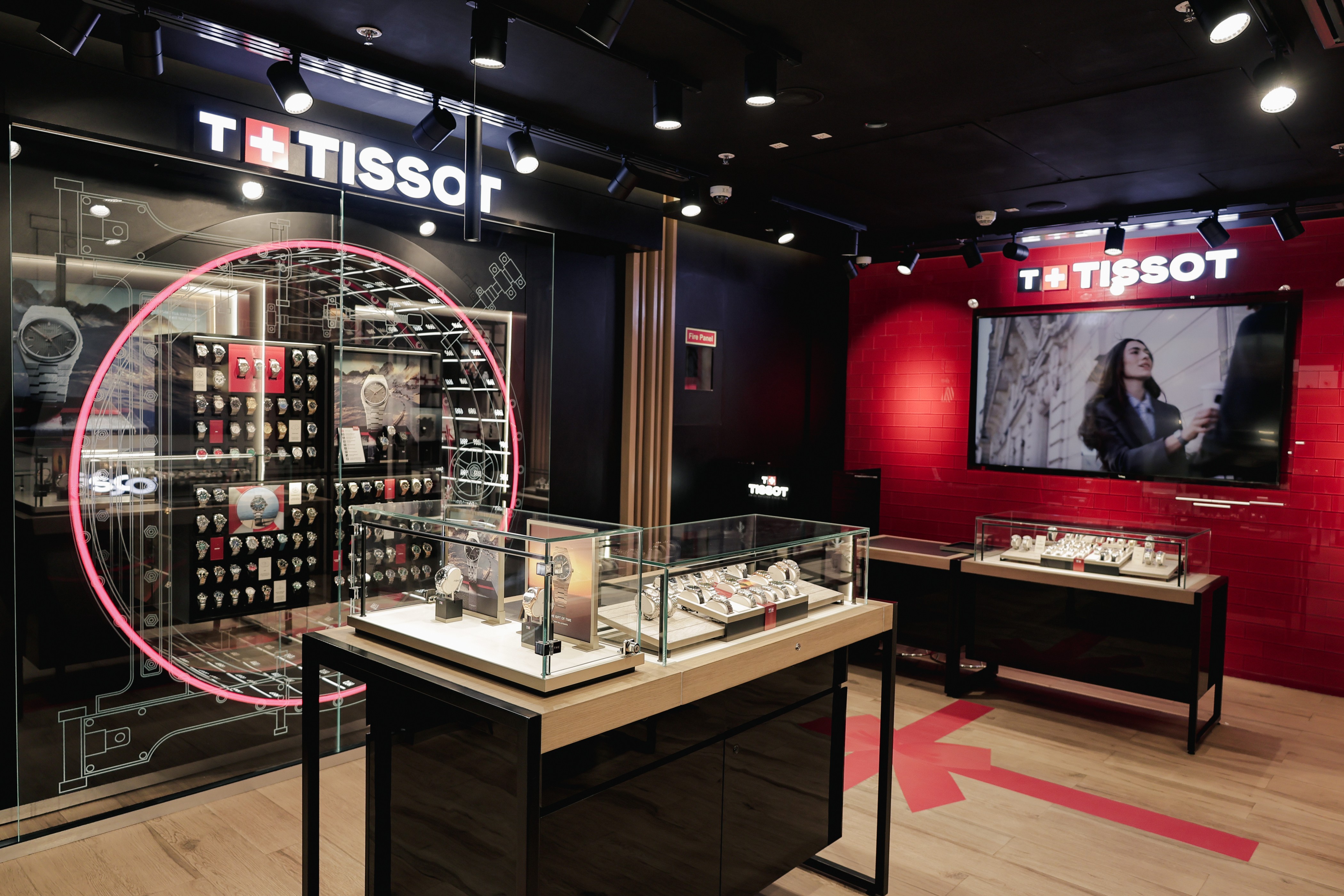
Its latest retail move brings this proposition to Mumbai’s western suburbs, with a new boutique at Sky City Mall in Borivali. At the unveiling, Team GMT India sat down with Sylvain Dolla, Tissot’s CEO, to discuss Tissot’s evolution in the Indian luxury market and the brand’s expansion strategy.

The visit comes at a time when Tissot is strengthening its relationship with Indian consumers, both through physical retail and its direct-to-consumer e-commerce platform. With a reported ₹700-crore single-brand business in India, the watchmaker is also a significant force in the country’s Swiss watch market, ranking third by value and first by volume, according to the figures shared by the brand.
Here are the edited excerpts from the interview:
GMT India: India is Tissot's third largest market globally, after the US and China. How has your understanding of the Indian consumer evolved?
SD: When I first visited India, the retail environment was not yet as well suited to fine Swiss watches as it is today. Over the past five years, however, we have seen a remarkable transformation. The evolution of shopping malls and the overall retail experience has been particularly striking. A mall like Sky City is a good example of how the landscape has changed. The environment is now much more conducive to a brand like Tissot, which gives us the confidence to continue investing in India.
GMT India: What has been the biggest driver of Tissot's growth in India?
Sylvain Dolla (SD): India has a strong appetite for fine Swiss watches, and Tissot serves as a bridge to that world. The PRX, in particular, has been a tremendous success and has helped us grow our business sixfold in five years. It has brought many consumers into the brand and continues to be an important part of our strategy.
This year, we're adding a few new variations, including new sizes and chronographs to the PRX world. We know that consumers appreciate chronographs, but an automatic chronograph can sometimes feel too thick on the wrist. The new PRX Quartz Chronograph addresses that concern with a slimmer profile. The initial sales response has been very encouraging.
GMT India: Have you noticed any distinct preferences among Indian watch buyers?
SD: Interestingly, our bestsellers in India are largely the same as those in other markets. One difference is the popularity of rose gold-coloured watches, which perform particularly well here. Beyond that, consumers gravitate towards many of the same collections that are successful globally. The PRX and Seastar continue to do well, as does the PR 100. The response to our newer women's watches has also been very encouraging, particularly the Desir Moonphase.
GMT India: Today's Indian watch buyer is increasingly knowledgeable about movements, complications and dial finishes. How does Tissot cater to these more discerning consumers?
SD: Attention to detail is central to what we do. We work hard to deliver the best possible finishing at our price points, and our scale allows us to make fine Swiss watchmaking accessible to millions of people. Consider the interplay between brushed and polished surfaces on our cases, or the sunray finishes on our dials. These details might seem small, but they make a real difference to how a watch looks and feels. We pay close attention to them because they enhance the overall quality and perceived value of our watches.
GMT India: How do you balance accessibility with the heritage and exclusivity associated with Swiss watchmaking?
SD: Our strategy is to make fine Swiss watches accessible to millions of people while remaining true to our history. Tissot has 170-plus years of watchmaking heritage, and that history informs everything we do.
Our success comes from being authentic. We are not a brand that appeared five years ago; we have a long-established identity rooted in Swiss watchmaking. At the same time, we want our watches to reach people who aspire to own a Swiss timepiece and can afford one.
We operate at a significant scale, but we are not a mass-market consumer electronics business selling tens of millions of interchangeable products each year. We remain focused on watches, their design, their quality and the traditions behind them.
GMT India: You speak about authenticity as a defining quality of Tissot. How does that reflect in the brand's design philosophy?
SD: For me, Tissot expresses what Switzerland stands for: tradition and innovation. Switzerland has a strong culture of innovation, alongside deep-rooted traditions, including its Alpine heritage. Both are reflected in our brand. Our identity brings these two qualities together. We draw on our history, but we continue to innovate in design, materials and technology. That balance is at the heart of Tissot's DNA.
GMT India: Beyond selling watches, how do you build relationships with collectors and the wider watch community?
SD: We make a point of engaging with people who are genuinely passionate about watches. Just last evening, we hosted an event with around 50 to 60 collectors. Some of them know an extraordinary amount about our historical models, and their enthusiasm is wonderful to see.
We engage with consumers through digital platforms, but it is equally important to meet collectors and watch enthusiasts in person. These communities have a strong influence on how people discover watches, learn about the category and develop their own interests. Their passion helps bring more people into the world of watchmaking.
GMT India: Lastly, if oyou had to pick three personal favourites from the Tissot collection, which would they be?
SD: The PRX Automatic with a blue dial and diamonds would be my first choice. The second would be the PRC 100, followed by the T-Touch.
Image credits: Tissot