Auguste Reymond and Helios Luxe Discuss Manual Movements and Modern Collecting
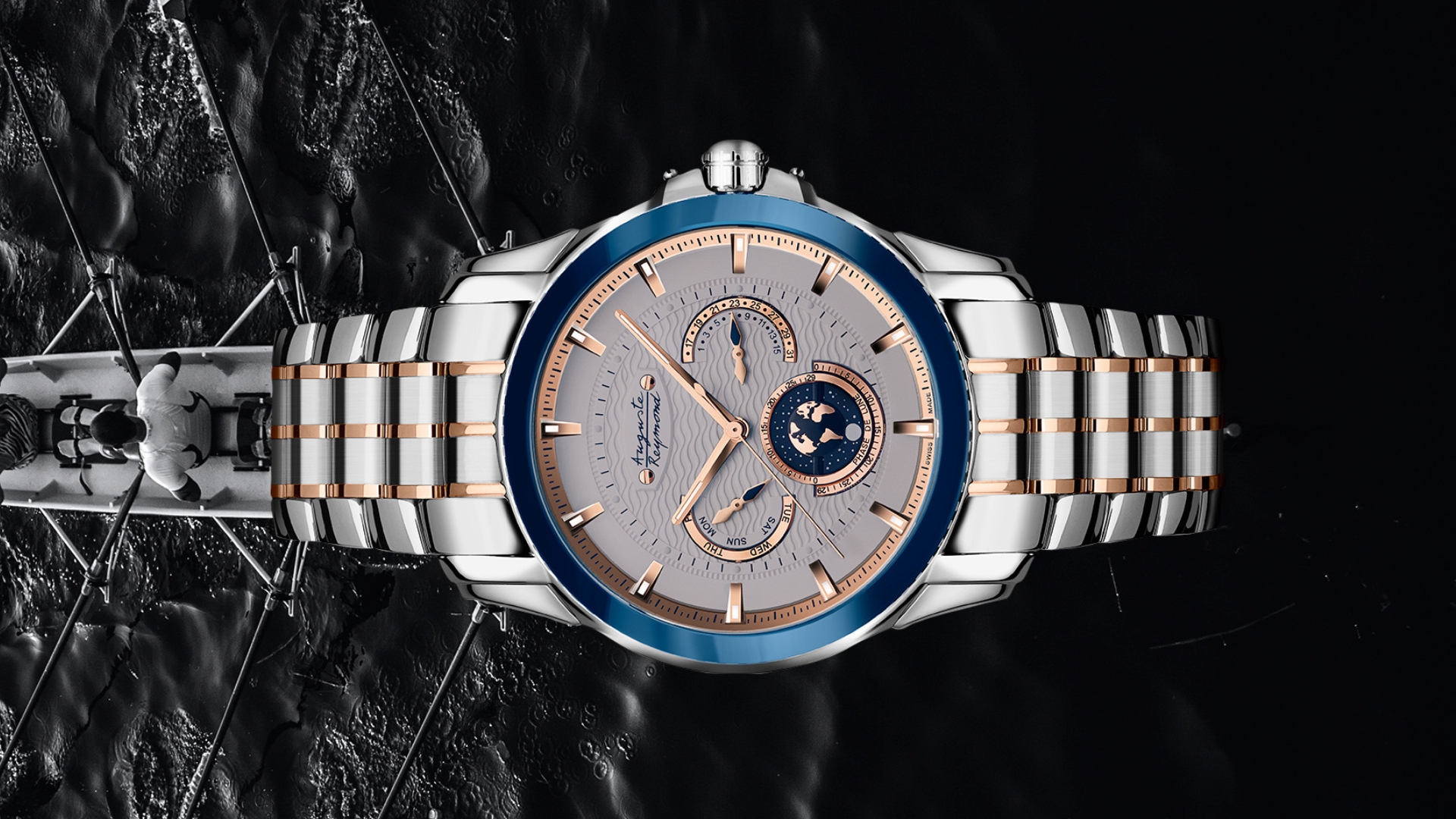

For over 125 years, Auguste Reymond has occupied a distinct position in Swiss horology. Founded in 1898 in the watchmaking village of Tramelan, the Maison is perhaps most recognised for its role in developing the UNITAS movement, a calibre that remains a cornerstone for independent watchmaking due to its mechanical simplicity and robustness. Unlike many of its contemporaries, Auguste Reymond has maintained its independence for over a century, a factor that has allowed it to prioritise mechanical integrity and architectural design over broader market trends.
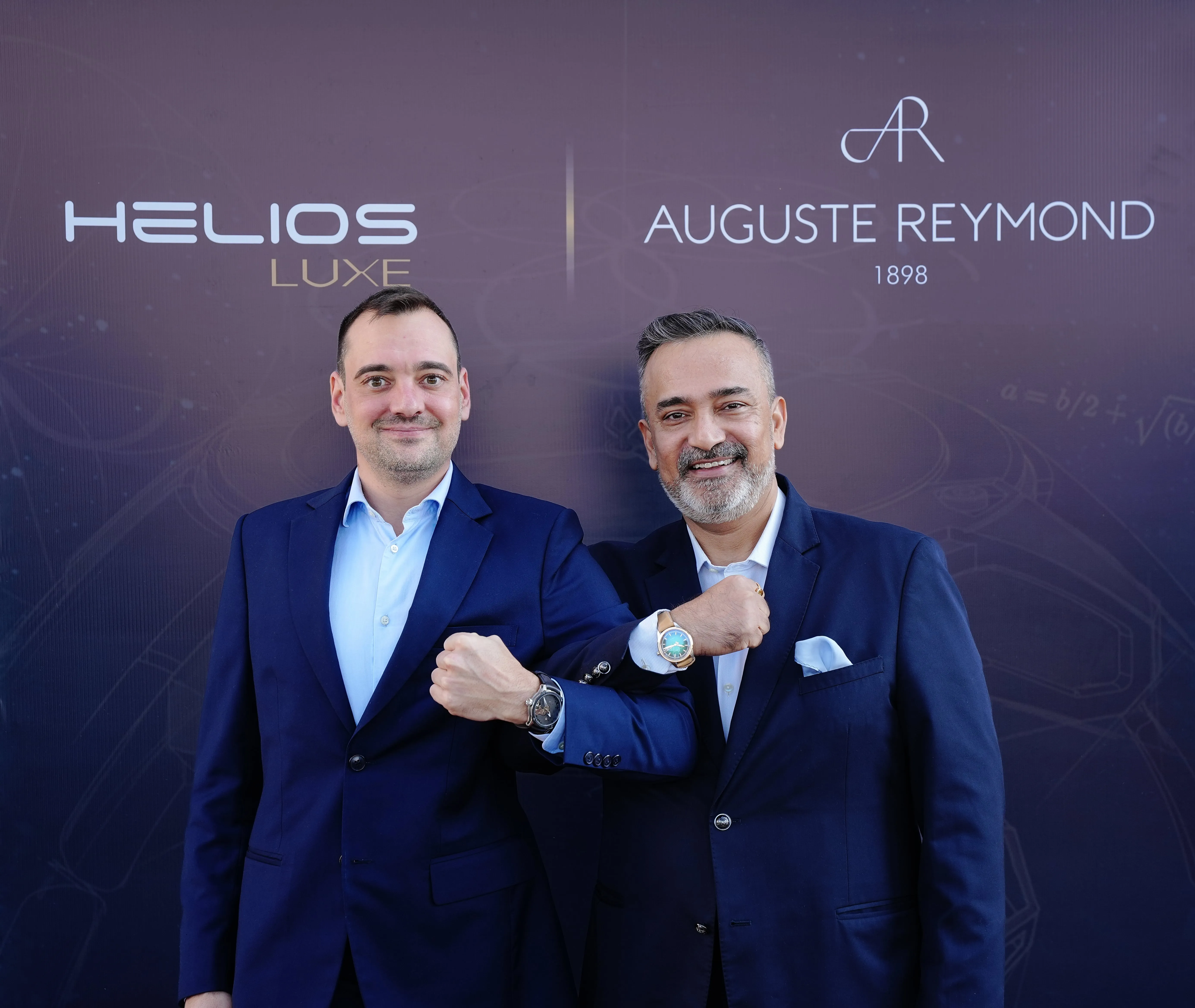
Following its debut in the Indian market late last year, the brand is now available exclusively through Helios Luxe, the premium curation from Titan Company Ltd. The partnership signals a notable shift in the local landscape, as Indian collectors increasingly look towards independent labels that offer mechanical transparency and a specific design philosophy. GMT India spoke to Sundar Klingenberg, Chief Information Officer and Deputy CEO of Auguste Reymond, and Mr Rahul Shukla, Vice President at Titan Company Ltd, to discuss the relevance of manual-wind movements and the brand's strategic entry into the region.
GMT India: Auguste Reymond has remained independent for more than a century. From a watchmaking perspective, how does that continuity influence the way you design, produce, and evolve your watches today?
Sundar Klingenberg: Remaining an independent maison allows us to engage far more closely with every aspect of our watches, from design and functionality to mechanical execution. Without the pressure of large-scale production, we are able to examine details carefully and make considered choices at each stage of development. This independence gives us the flexibility to refine proportions, improve ergonomics, select movements that align with our philosophy, and ensure that every component serves a clear purpose. Evolution is therefore not rushed or dictated by trends, but shaped through continuous evaluation and improvement. It allows us to remain deeply involved in the creative and technical process, ensuring that each watch reflects our standards of craftsmanship, usability, and long-term relevance.
GMT India: The Origin Lunar places notable emphasis on dial engraving and surface texture. How do you see dial work shaping Auguste Reymond’s expression of craft and identity?
Sundar Klingenberg: The dial is a critical element in expressing both craftsmanship and identity. It is the surface through which the wearer experiences the watch on a daily basis, and, therefore, it must communicate our philosophy clearly. Dial work allows us to translate mechanical precision into a visual and tactile language.
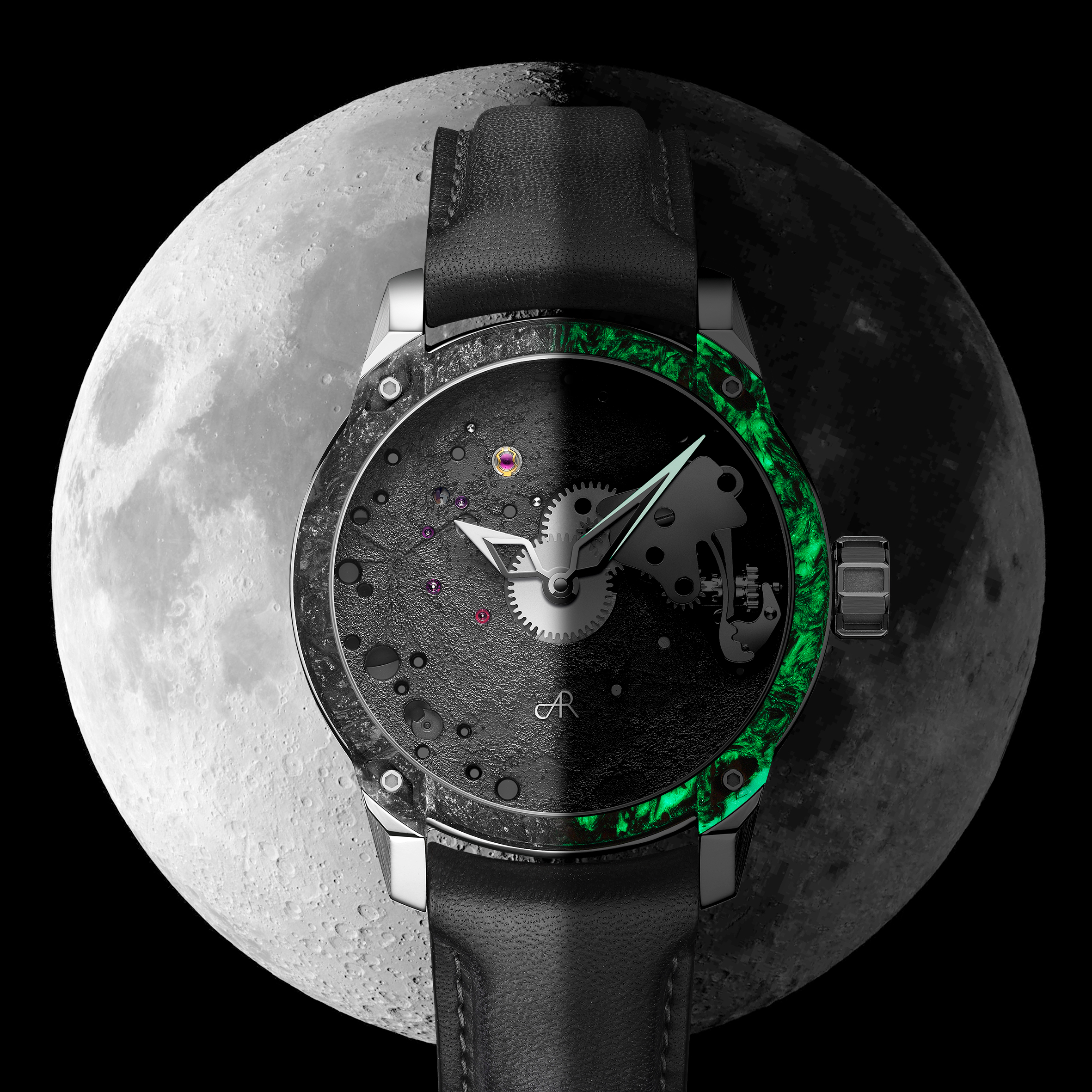
In the case of the Origin Lunar, engraving and surface texture are used to reflect our inspiration drawn from celestial cycles and the broader meaning of time. These details are not applied as ornamentation, but as purposeful design choices that add depth, character, and permanence. In addition, the dial is intentionally designed without a traditional plate that conceals the movement. This allows the wearer to observe the functioning of the watch directly from the front. The visible mechanics become an integral part of the dial itself, adding depth and movement while reinforcing transparency in design. Rather than hiding complexity, the architecture celebrates it, making the dial visually engaging and mechanically expressive.
GMT India: You’ve chosen to introduce the brand in India with hand-wound UNITAS-powered watches. What does the ritual of manual winding represent to you, and why does it still matter to modern collectors?
Sundar Klingenberg: Manual winding reflects a conscious and intentional approach to time. It reinforces the idea that watchmaking is not purely about ease or automation, but about involvement and appreciation. For modern collectors, this ritual carries strong relevance. Hand-wound UNITAS movements are respected for their reliability, clarity of construction, and mechanical honesty. They allow collectors to see, understand, and value how energy is created and transferred within the watch. In an era dominated by automation, manual winding offers emotional connection and a deeper sense of ownership, qualities that continue to resonate strongly with those who value traditional watchmaking.
GMT India: India is often discussed as a growing market, but it also has a long relationship with mechanical objects and heirloom culture. How does that shape the way you think about introducing Auguste Reymond here?
Sundar Klingenberg: We look at India not only through the lens of growth, but also through its deep cultural appreciation for craftsmanship and objects that are meant to endure. This cultural context allows for a deeper and more considered introduction of the brand. Our partnership with Helios Luxe plays a critical role in this approach. Helios Luxe does not position watches as static display pieces. Instead, it actively engages consumers through storytelling and education. The teams take the time to explain the heritage of the Maison, the philosophy behind the designs, and the mechanics that power each watch. This creates an informed and immersive experience, allowing customers to truly understand what they are investing in. By combining Auguste Reymond’s legacy of mechanical watchmaking with Helios Luxe’s curated and consultative retail approach, we are able to introduce the brand in a way that resonates with the consumers here.
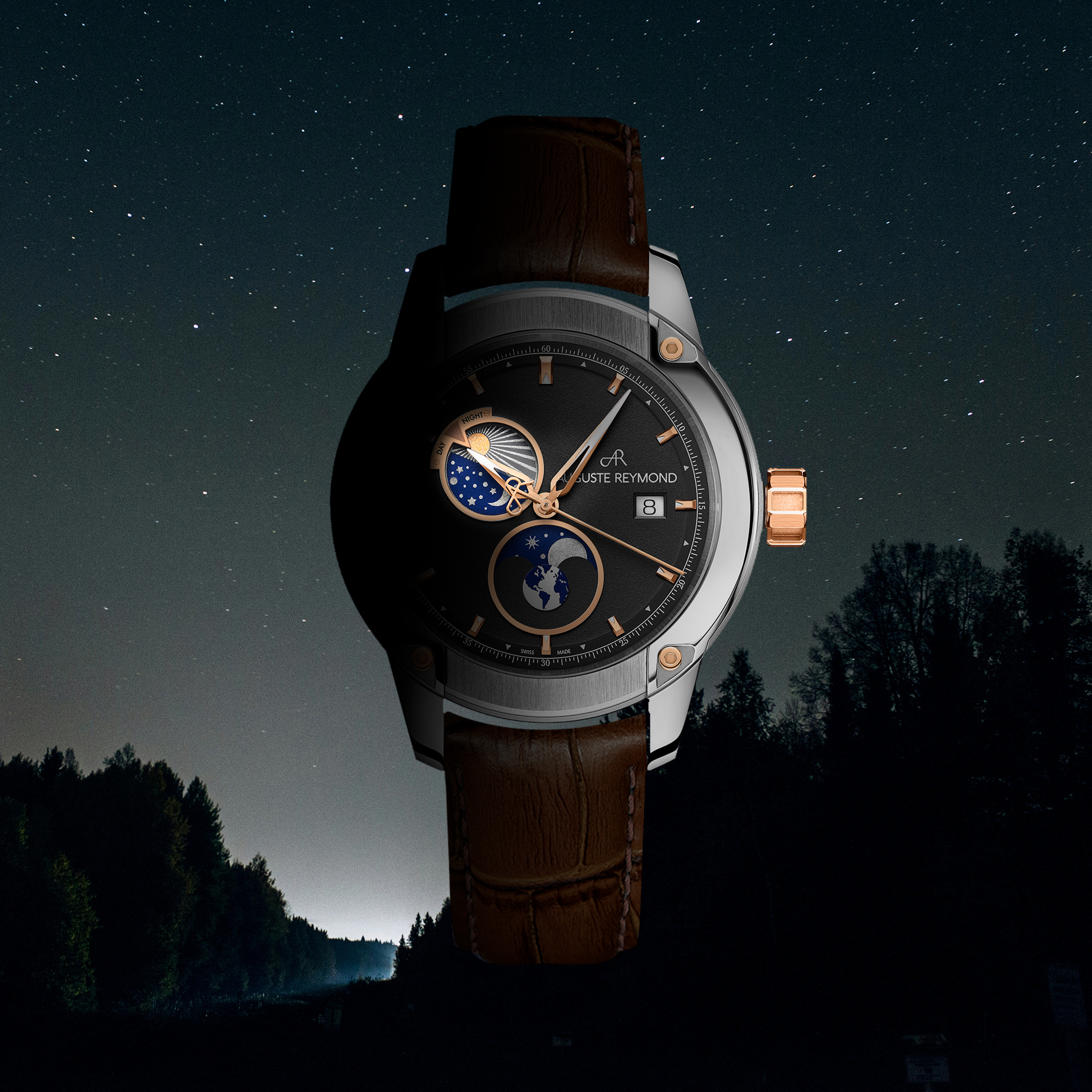
GMT India: For someone encountering the brand for the first time in India, which detail (technical or aesthetic) do you believe best captures the essence of Auguste Reymond?
Sundar Klingenberg: What truly captures the essence of Auguste Reymond is the way multiple elements come together to express the brand’s philosophy of time through both engineering and design. In a watch like the Origin Lunar, this is immediately evident. The luminous carbon bezel infused with Super-LumiNova is a strong visual signature. It transforms the watch in low light, reinforcing the idea that time continues beyond what is immediately visible and adding an emotional dimension to functionality. At its core, the hand-wound UNITAS movement reflects the brand’s mechanical DNA. Its open architecture and engraved components are intentionally visible, allowing the wearer to observe the rhythm of time. This transparency speaks to Auguste Reymond’s commitment to mechanical honesty and traditional Swiss watchmaking.
The architectural case construction further strengthens this identity. Built from multiple elements secured with visible screws, the case is both technically purposeful and aesthetically distinctive. Together with the celestial themes engraved across the dial and movement, these details reflect the brand’s deeper philosophy of time, inspired by the cycles of the moon and the universe. Time, for Auguste Reymond, is not only measured, but experienced.
GMT India: Helios Luxe speaks increasingly to collectors who value craft over familiarity. What made Auguste Reymond a natural fit for that direction?
Rahul Shukla: At Helios Luxe, we began by clearly defining the kind of experience we wanted to create for our consumers. We identified three core dimensions. The first is aesthetics, which encompasses design, storytelling, history, and the emotional narrative behind each brand. The second is horology, where the focus is on mechanical depth, movements, and complications that appeal to informed and evolving consumers. The third dimension is worth, which reflects the overall value proposition, including the calibre of brands we curate, the quality of the in-store experience, our investment in education and storytelling, the trust Helios brings to the table, and the strength of our after-sales service. With this framework in place, we continuously scan the global watch landscape to identify brands that align with these dimensions. Our portfolio expansion is therefore intentional and selective, ensuring that every brand we introduce strengthens the Helios Luxe promise and delivers meaningful engagement rather than just product visibility. Auguste Reymond fits this direction seamlessly. As an independent Swiss maison with over a century of watchmaking heritage, the brand is high on horology, anchored by its continued use of hand-wound UNITAS movements and a clear respect for mechanical integrity. For Helios Luxe, Auguste Reymond strengthens our role as a curator. It allows us to offer consumers something discoverable and authentic, a brand that rewards deeper engagement and aligns with the growing preference for substance, craftsmanship, and long-term value.
.jpg)
GMT India: As Indian buyers become more informed about movements and provenance, what changes are you seeing in how today’s collector approaches a watch purchase — in terms of craft, storytelling, and long-term value?
Rahul Shukla: At Helios Luxe, we’ve seen a clear evolution in the way Indian collectors approach luxury watches. Today’s buyers are investing in an idea, a story, and a legacy. They want to understand the mechanics behind the watch, such as the movement, the finishing, the precision, and increasingly, they are interested in how these elements reflect the philosophy and heritage of the Maison. Storytelling has become a critical factor in their decision-making. Collectors care about provenance, the narrative of the watch, and the vision of the brand. They are drawn to pieces that carry meaning and authenticity. We see this as an opportunity to highlight not just the technical sophistication of our timepieces, but the values, craft, and history that make each watch truly unique.
The consideration of long-term value has grown significantly. Indian buyers are evaluating watches not only for their present appeal but also for their potential as heirlooms or investment pieces. They want confidence that the piece they choose will endure, both in terms of craftsmanship and desirability, decades down the line.
Image credits: Respective brands