Why Community Is Luxury's New Currency

In an algorithm-fatigued world where digitised interactions are surplus and deep connections feel superficial, the search for belonging is leading people back offline. Across the globe’s most coveted postcodes, a discreet social setting is taking shape across shared passions, from supercars, horology, refined crafts to gastronomy and equestrian sports. The more specialised the interest, the stronger the bonds it can forge.
Data backs it. According to Accenture’s Luxe Eternal survey, 63 per cent of luxury buyers were more likely to engage with brands offering distinctive products and personalised experiences. This hints at the appeal of individuality, but it raises a larger question for luxury houses: how do you make people feel like a part of your world, rather than simply on the receiving end of a brand message?
The answer lies in carefully curated gatherings, but that's only the beginning. Away from the relentless churn of social feeds, these gatherings need to make room for unhurried conversations, discovery and cultural exchange, allowing relationships to grow beyond a single event.
This, precisely, is the new grammar of luxury: less about transactions and more about connection. Through private viewings, workshops, intimate walkthroughs and exclusive showcases, luxury maisons are bringing together collectors, connoisseurs and cultural figures around experiences that linger long after the encounter is over. In doing so, the watch, jewel or automobile becomes more than an object of desire; it becomes a shared language and often, a passport into a like-minded, close knit circle.
Bridging cultures with Bvlgari
For instance, Bvlgari’s recent Passing the Light gala in Jaipur marked the Roman high jeweller’s first-ever global Diwali campaign, bringing Indian craftsmanship into dialogue with its distinctive Roman design heritage. At its centre was a monumental installation by Indian artist Doyel Joshi, comprising 4,500 hand-sculpted terracotta elements inspired by the traditional diya replete with Bvlgari’s iconic Serpenti scales.
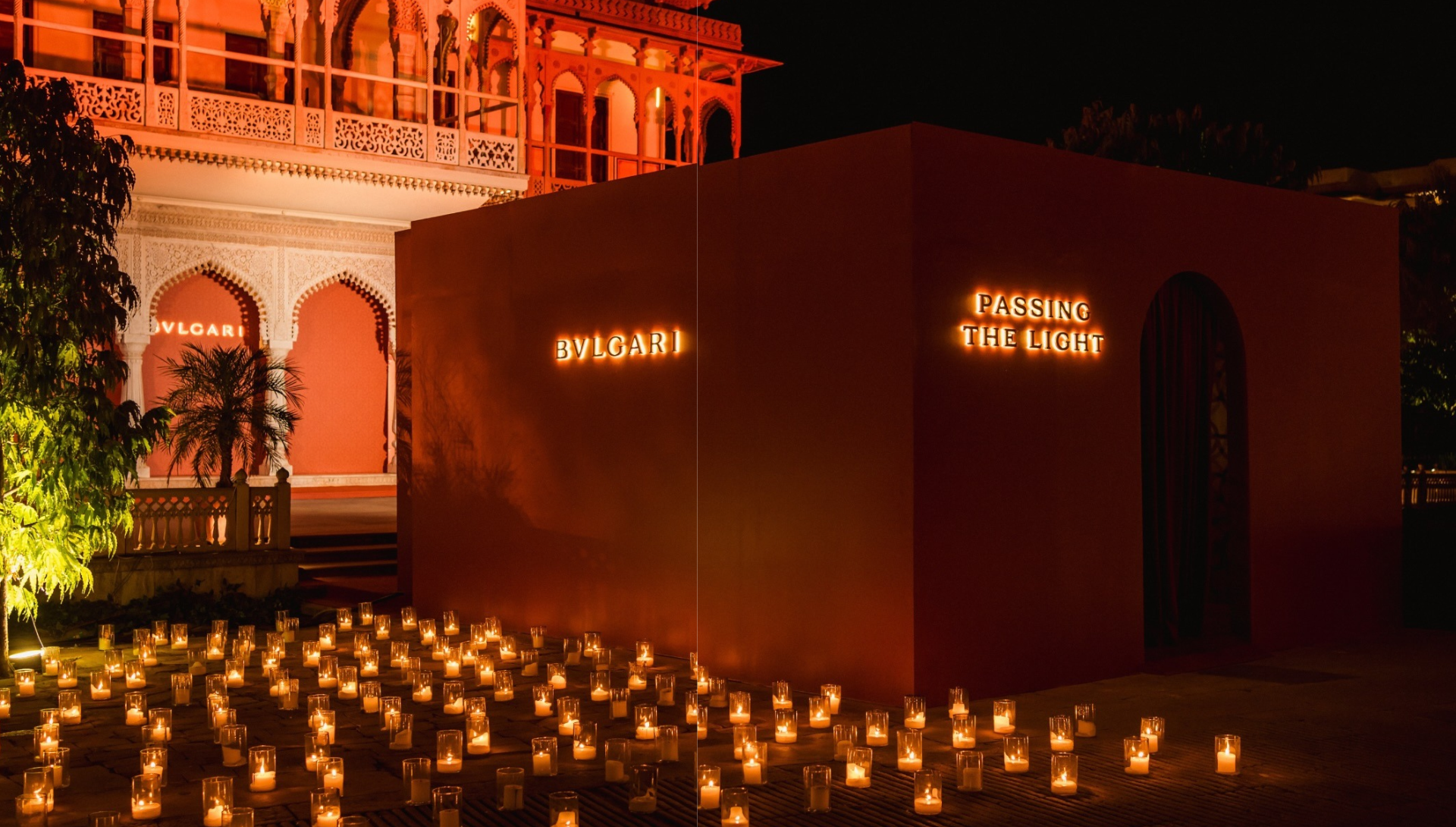
The idea was not simply to spotlight the Maison’s iconic motifs, but to engage with a shared cultural memory and bring together people who understand its significance. By acknowledging the craftsmanship and cultural influences behind the creation, Bvlgari fostered a sense of community rooted in mutual appreciation. The result was an experience that felt familiar yet distinctly unexpected, demonstrating how luxury can move beyond showcasing objects to creating meaningful connections.
Into the primal world of Cartier
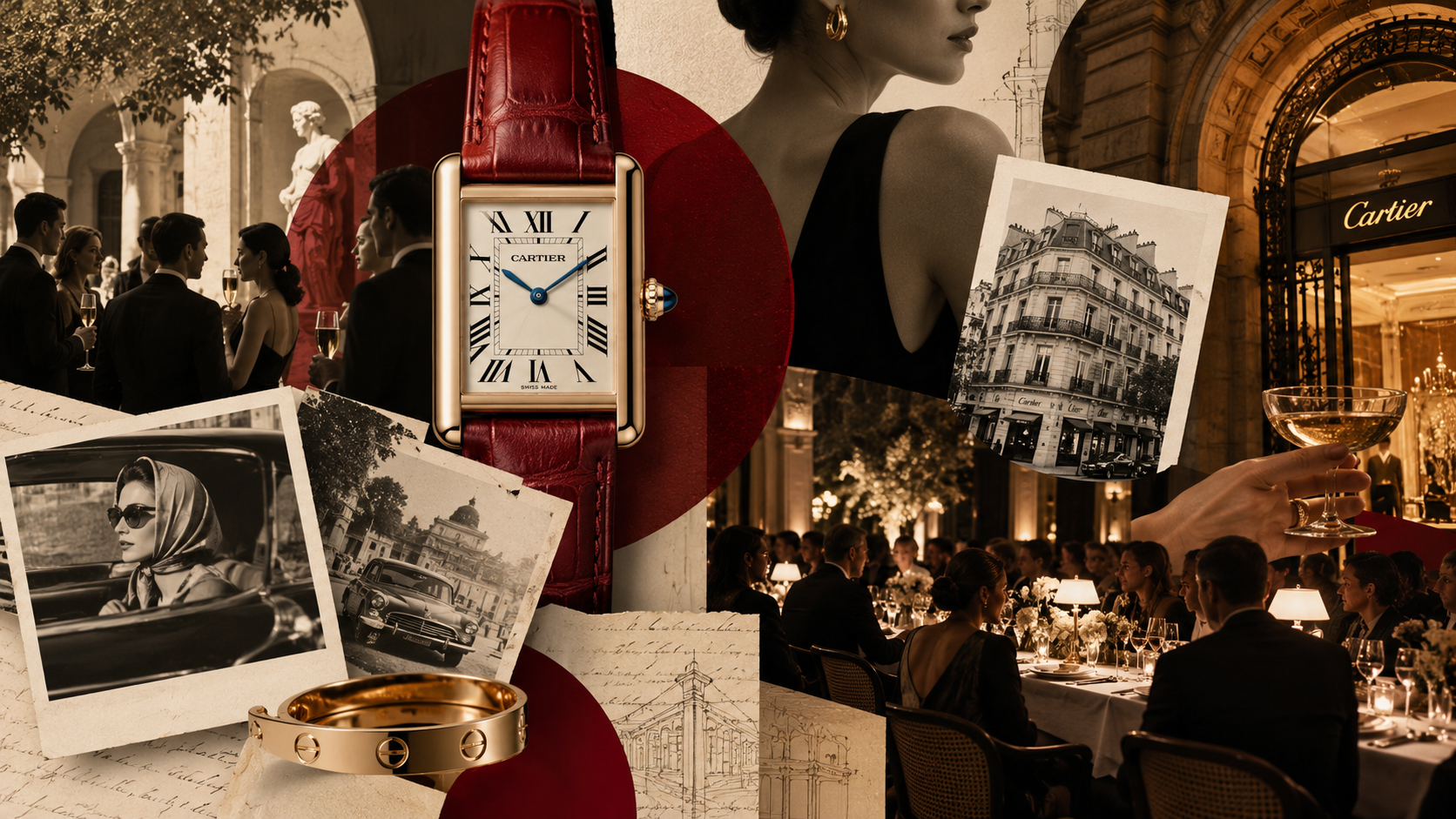
Private previews, invite-only dinners and access to ateliers have long signalled exclusivity and proximity to a brand. But the inner-circle economy shifts the emphasis from simply entering the room to finding a reason to belong once inside it. In that domain, Cartier has long mastered the art of press gatherings.
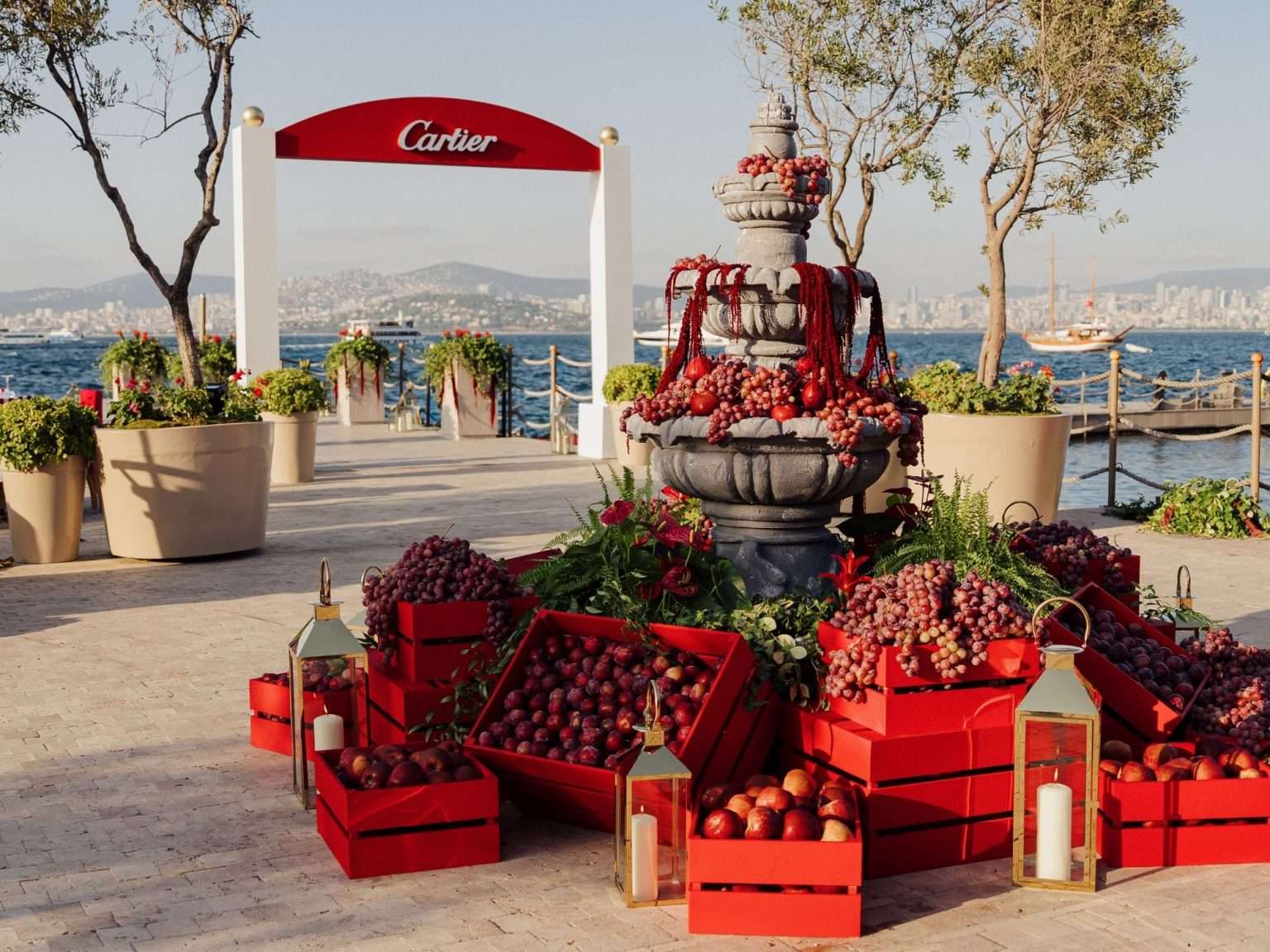
Its recent Into the Wild escape in Türkiye gathered distinguished figures from creative fields at the historic Princes’ Palace Mansion right adjacent to the Sea of Marmara. From Panthère to the Santos, the gathering offered a closer look at the Maison’s watchmaking and jewellery codes, with the island setting lending a fitting ambience to its decades-old fascination with the animal world.
Time travel with Montblanc
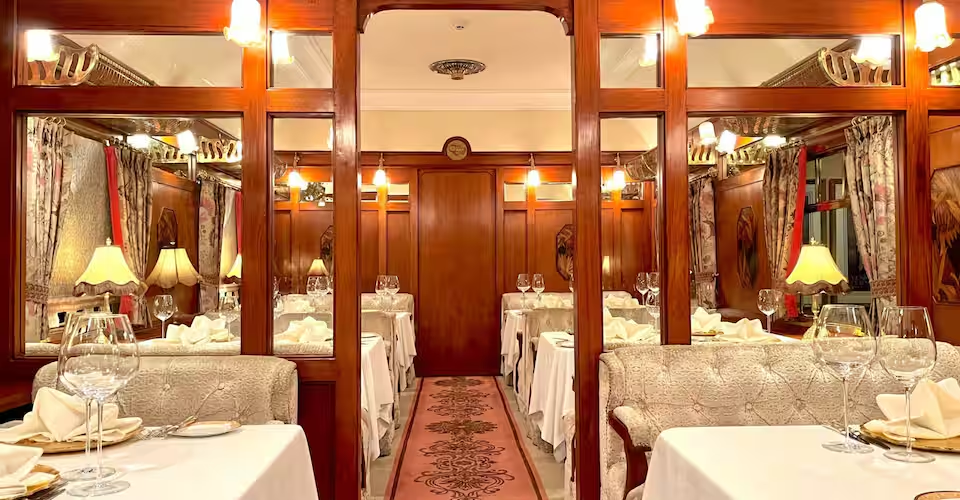
One of the most notable aspects of community-building is that it works best when it is rooted in a shared interest rather than social proximity alone. Research into brand communities has consistently shown that a sense of belonging is shaped by shared rituals, values and meaningful participation, not simply by access to influential people. Montblanc’s time-travel experience at the Orient Express in Delhi offered precisely that.
Hosted around Diwali last year, Montblanc invited a select group of guests on a journey without quite leaving the room. Seated inside a train carriage, they were immersed in a mock-travel, with one literary detour: a poet composed personalised haikus using a Montblanc Meisterstück pen on the Maison’s own paper.
The result was a keepsake that was part verse, part personal memento. For a brand whose identity is built around the written word, the experience was quintessentially Montblanc, with a clever twist. The journey may have been make-believe, but the poems and conversations it sparked were real. And that is the point: when a brand experience gives people something personal to take home, it also gives them a story to retell, carrying the memory well beyond the evening itself.
The joy of being understood
Luxury was never meant to be a popularity contest. It is less about how much you spend and more about knowing what you are looking at — the detail others miss, the hours of handwork hidden beneath a polished surface, the audacity of an idea brought to life by skilled hands. But even the most discerning eye appreciates a knowing nod from someone who gets it. And that is where community comes in: because luxury may be personal, but the pleasure of understanding it is even better when shared.
That is where these inner circles prove their worth, particularly for collectors chasing references that have long vanished from boutique shelves. In a world where horological knowledge is accrued over years and the best finds rarely announce themselves, a trusted network can be worth its weight in gold.
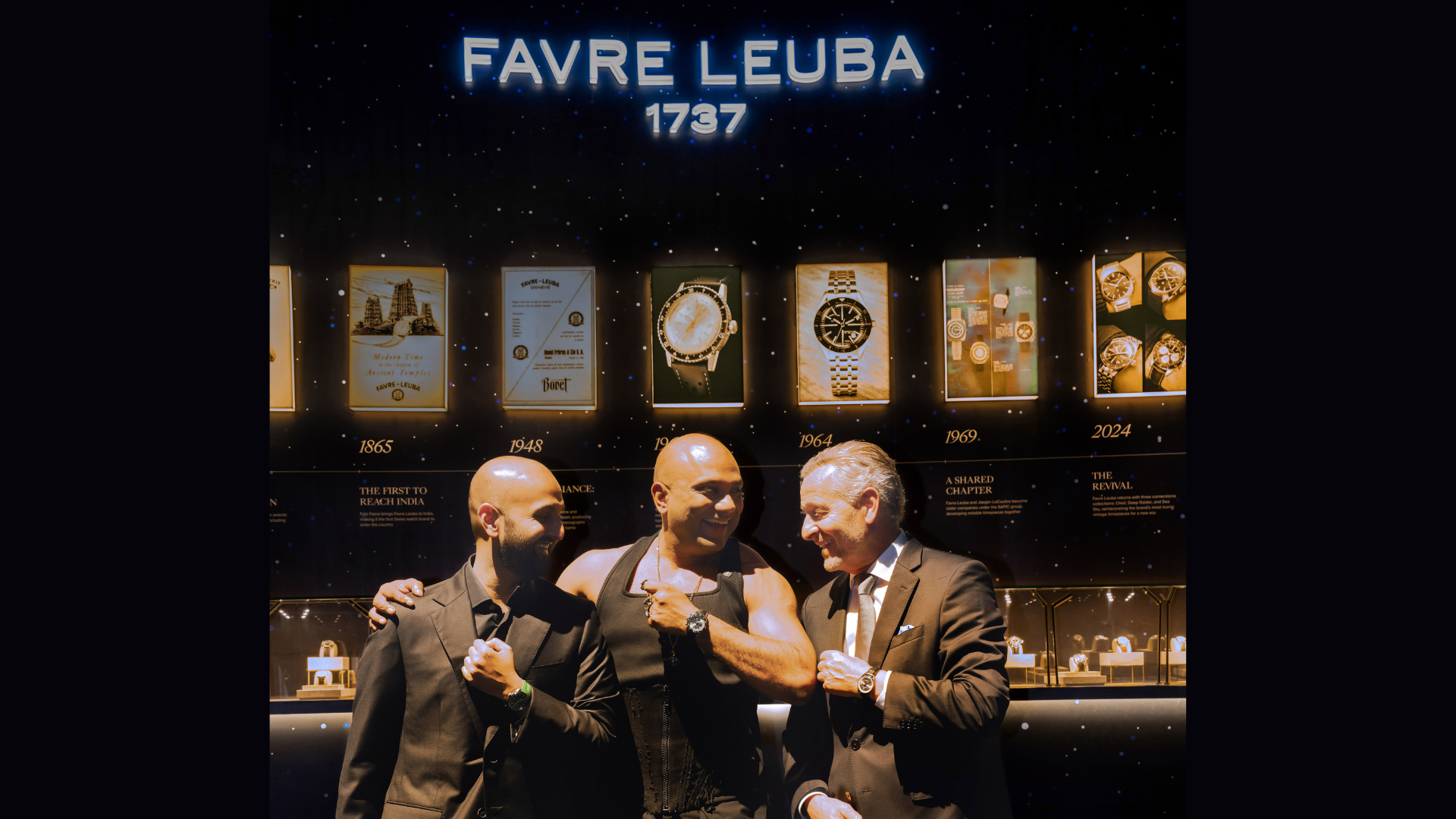
At a GMT India-hosted Jaeger-LeCoultre gathering in Hyderabad, this played out on the wrist, with a select circle of serious collectors sporting everything from rare JLC references to gem-set Piaget creations and discontinued Cartier models.
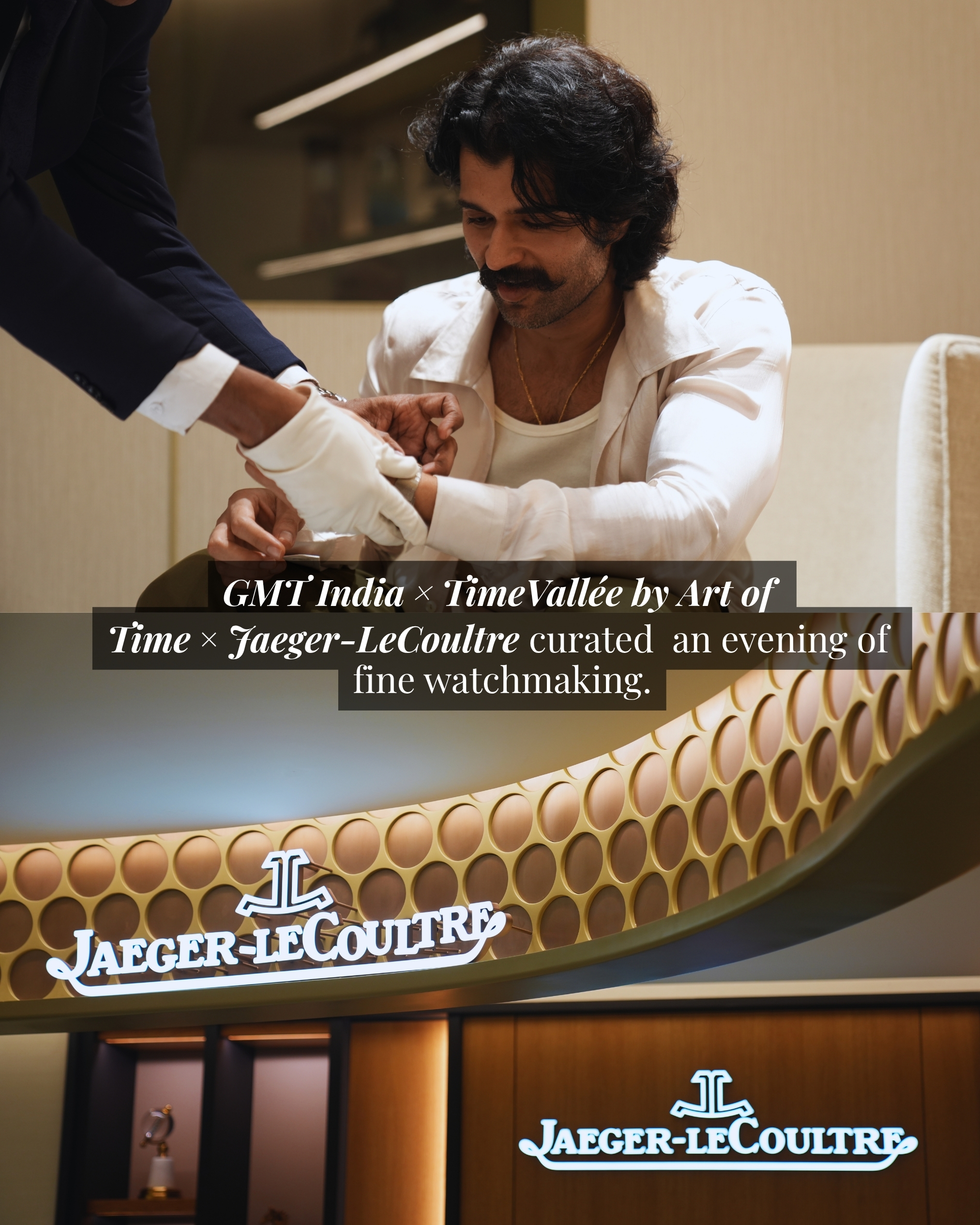
The regal setting and discerning company certainly added to the occasion, but the real draw was the collective expertise in the room. Conversations went beyond comparing wrist shots to exchanging leads, tracing the stories behind elusive references and swapping knowledge on pieces no longer found in catalogues.
The inner-circle economy
The commercial value of such communities is not always immediate, nor should it be measured only by sales generated after an event. A trusted circle can influence how people discover a category, which specialists they consult, what they learn to value and where they choose to spend their attention. In markets shaped by scarcity and expertise, these relationships can be particularly consequential.
For brands, the opportunity lies in cultivating continuity. A single spectacular event may generate photographs and social coverage, but a series of thoughtful encounters can build familiarity and trust. The most meaningful return could be a guest who brings another curious person into the circle, extending the community through personal recommendation rather than paid reach.
This also asks brands to reconsider what exclusivity means. If every gathering is designed only to signal status, the room risks becoming a performance of access. A genuine community needs substance: useful knowledge, thoughtful curation, a sense of mutual recognition and space for members to contribute. Exclusivity may determine who enters, but the quality of the exchange determines whether they want to return.
For luxury brands, this is a chance to move beyond the familiar choreography of launch, photograph and purchase. The most memorable gathering may be one that leaves guests with a new understanding, a useful relationship or a reason to return — not necessarily an immediate desire to buy. And perhaps that is the defining distinction between an event and an inner circle. An event ends when the guests leave. A community begins when they have something to continue together.
Image credits: Respective brands